
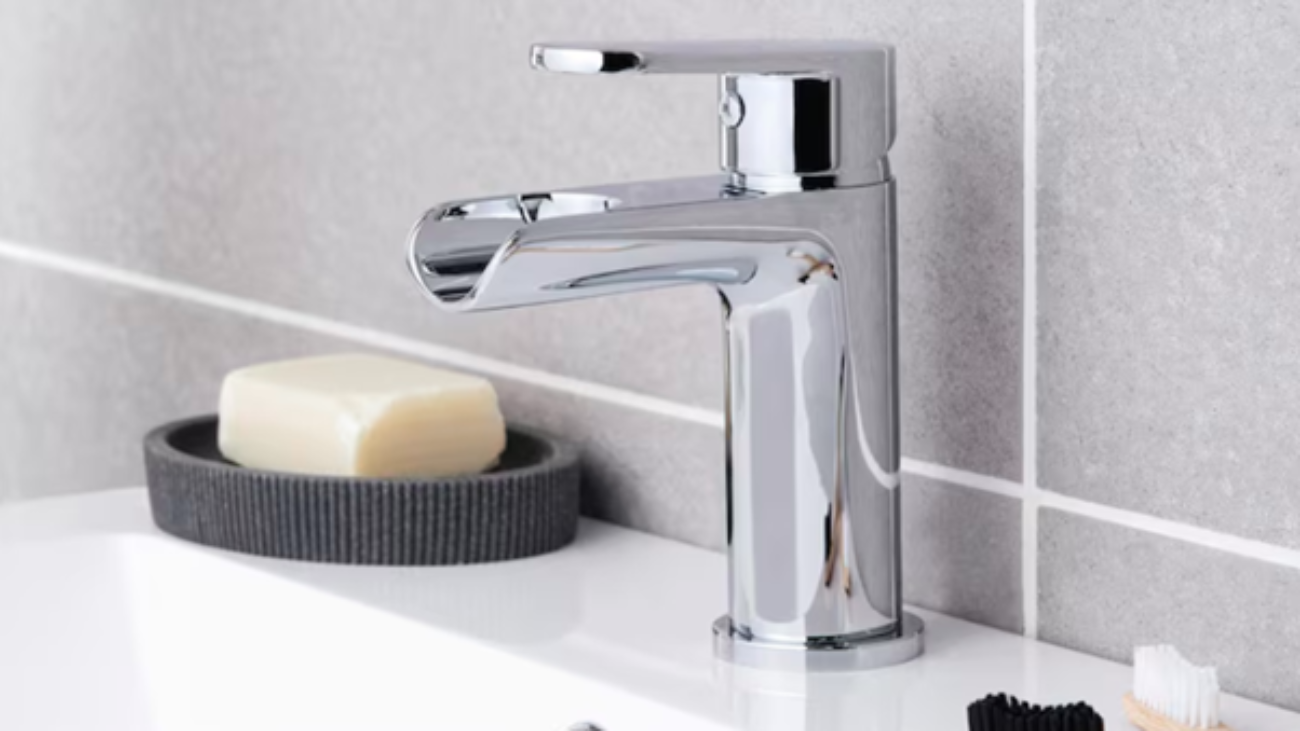
Refreshing your bathroom often starts with the gleam of polished chrome or champagne bronze. A bathtub faucet is the crown jewel of your tub, blending daily utility with quiet elegance. Understanding how do you install a bathtub faucet allows you to upgrade your space’s aesthetic without waiting for a contractor’s busy schedule.
Imagine stepping into a sanctuary where every detail reflects your taste. A simple hardware change can shift the entire mood of your morning routine. It’s about more than just plumbing; it’s about curate-ing a lifestyle of comfort and style. But before you grab your wrench, there is one tiny secret most homeowners overlook that could ruin the entire project.
Are You Prepared for the Transformation?
Before we dive into the brass and bolts, check your toolkit. You’ll need an adjustable wrench, some plumber’s tape, and an Allen wrench. Most kits come with the “universal” MultiChoice valve, which makes things easier. Make sure you have a soft cloth handy to protect those beautiful new finishes from scratches during the bathtub faucet installation.
First, find your water shut-off valve. Usually, it’s behind a small panel or in the basement. Turn it clockwise until it stops. Open the old faucet to let any trapped water drain out. If you skip this, you might end up with a miniature indoor fountain. But what happens if the old pipe is corroded beyond recognition?
Removing the Old to Make Way for the New
Slide off the old handle using your Allen wrench. There is usually a small set screw hidden underneath. Once the handle is off, unscrew the decorative trim or “escutcheon.” If it’s stuck, don’t force it. A little vinegar can dissolve the mineral buildup that acts like glue. This part of installing bathtub faucet sets the stage for a clean fit.
“I was nervous about touching the plumbing, but following these steps made me feel like a pro. My bathroom looks like a high-end spa now, and I saved a fortune on labor!” — J., Homeowner in Scottsdale.
The Core of the Matter: Setting the Valve
If you are just replacing the trim, you are in luck. ’s design often lets you keep the internal valve. Simply slide the new cartridge into the slot. Ensure the “hot” side matches the hot water pipe. According to a 2025 Home Renovation Insight Report, nearly 64% of homeowners now prioritize DIY-friendly fixtures to offset rising material costs.
Once the cartridge is snug, screw on the bonnet nut. Don’t over-tighten it; you don’t want to crack the internal seals. This is where precision meets patience. A gentle touch ensures the handle turns smoothly for years. If the water pressure feels low later, the culprit is almost always a twisted seal during this specific step.
Dressing Up the Tub: The Trim and Handle
Now comes the beautiful part. Slide the new backplate over the valve. Secure it with the provided screws. Wrap a bit of plumber’s tape around the shower arm or spout threads. This prevents tiny leaks that could cause mold behind your walls. When installing bathtub faucet components, always work from the wall outward to keep things organized.
Twist the new spout onto the pipe. If it’s a slip-on style, tighten the set screw on the bottom. If it’s a thread-on style, turn it until it’s snug and pointing straight down. The visual alignment is what gives your tub that professional, high-end finish. At this point, your bathroom should be looking like a page from a design magazine.
Why Settle for Standard When You Can Have Custom?
Sometimes, a DIY project reveals that you want more than just a new spout. You might want a total floor-to-ceiling transformation. This is where Half Price Baths steps in to elevate your vision. We offer a stunning range of services to customize all your demands, focusing on their famous “half the price” promise.
With a fast turnaround and a high satisfaction rate, they take the stress out of remodeling. You get the luxury design guidance and material sourcing usually reserved for elite budgets. Whether it’s a tricky pipe or a dream for a walk-in rainfall shower, they bridge the gap between “doing it” and “doing it perfectly.”
The Final Test: Water and Wonder
Slowly turn the water supply back on. Go back to the tub and lift the handle. Let the water run for a minute to clear out any air or debris. Check around the base of the handle and the spout for any stray drops of water. If it’s dry, you’ve successfully mastered how do you install a bathtub faucet with your own hands.
Take a moment to admire the way the light hits the new metal. You’ve added value to your home and a bit of joy to your daily life. However, if you find that your pipes are leaking from deep within the wall, that is the exact moment you should pause and call a professional to avoid structural damage. Installing a new fixture is a rewarding way to refresh your home. By shutting off the water, removing the old trim carefully, and seating the new cartridge precisely, you ensure a leak-free experience. Remember to use plumber’s tape and avoid over-tightening. This DIY win is just the beginning of your home’s evolution.
Common Questions About Your New Faucet
- Can I use my old valve with a new trim kit?
Yes, if your valve was made after 2006, most MultiChoice trim kits will fit perfectly without needing to cut into the wall or change the plumbing.
- Why is my new faucet dripping right after installation?
Usually, this means the cartridge isn’t seated deeply enough or the bonnet nut is slightly loose. Check the O-rings for any debris or hair that might break the seal.
- Do I need special tools for a installation?
Most installations only require basic hand tools like an adjustable wrench, a Philips head screwdriver, and an Allen wrench. often includes the specific hex key you need in the box.
- How do I keep the finish looking brand new?
Avoid harsh chemicals. Clean your faucet with a damp cloth and mild soap. This protects the specialized coating and keeps the “luxury” shine alive for many years.
- What if my spout is too long for the pipe?
You may need to use a pipe cutter to trim the copper nipple. If you aren’t comfortable cutting metal, a professional can handle this quick adjustment for a flush fit.