Walk-In Shower Dimensions

Understanding Walk-In Shower Dimensions: What Homeowners Should Know Before Planning a Remodel!

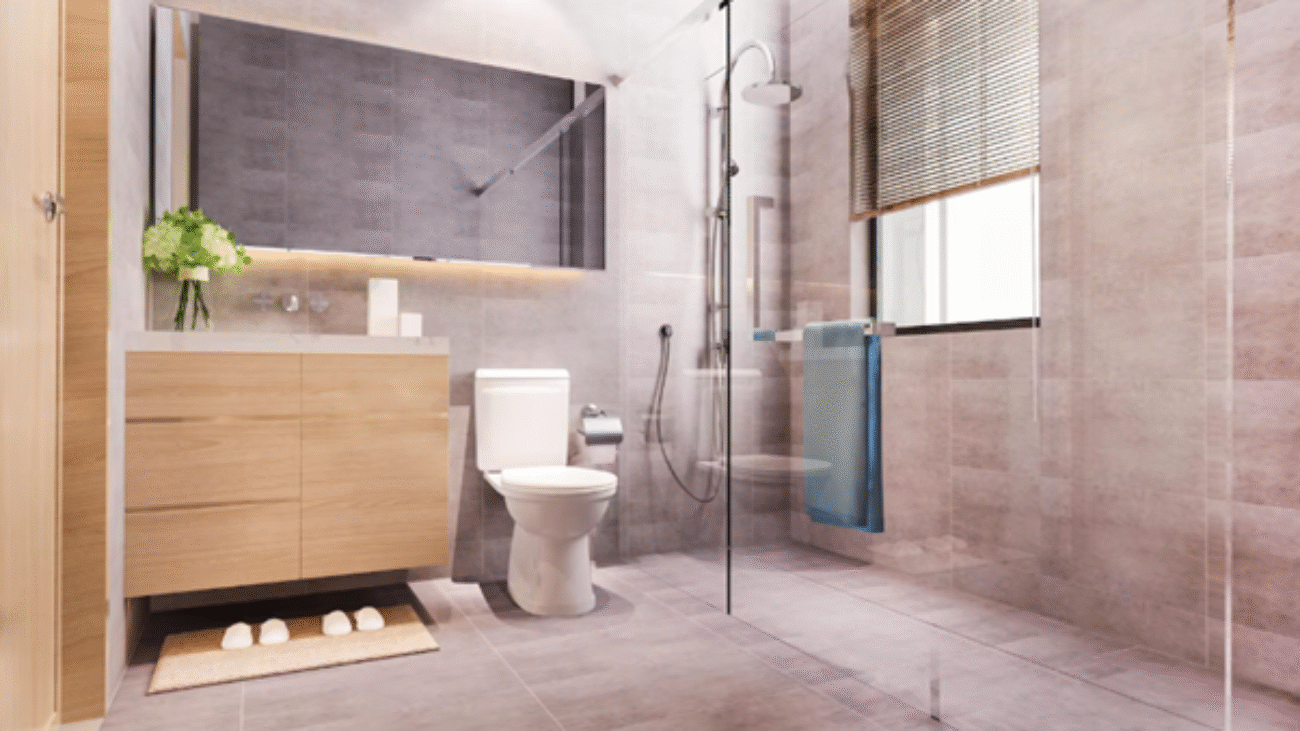
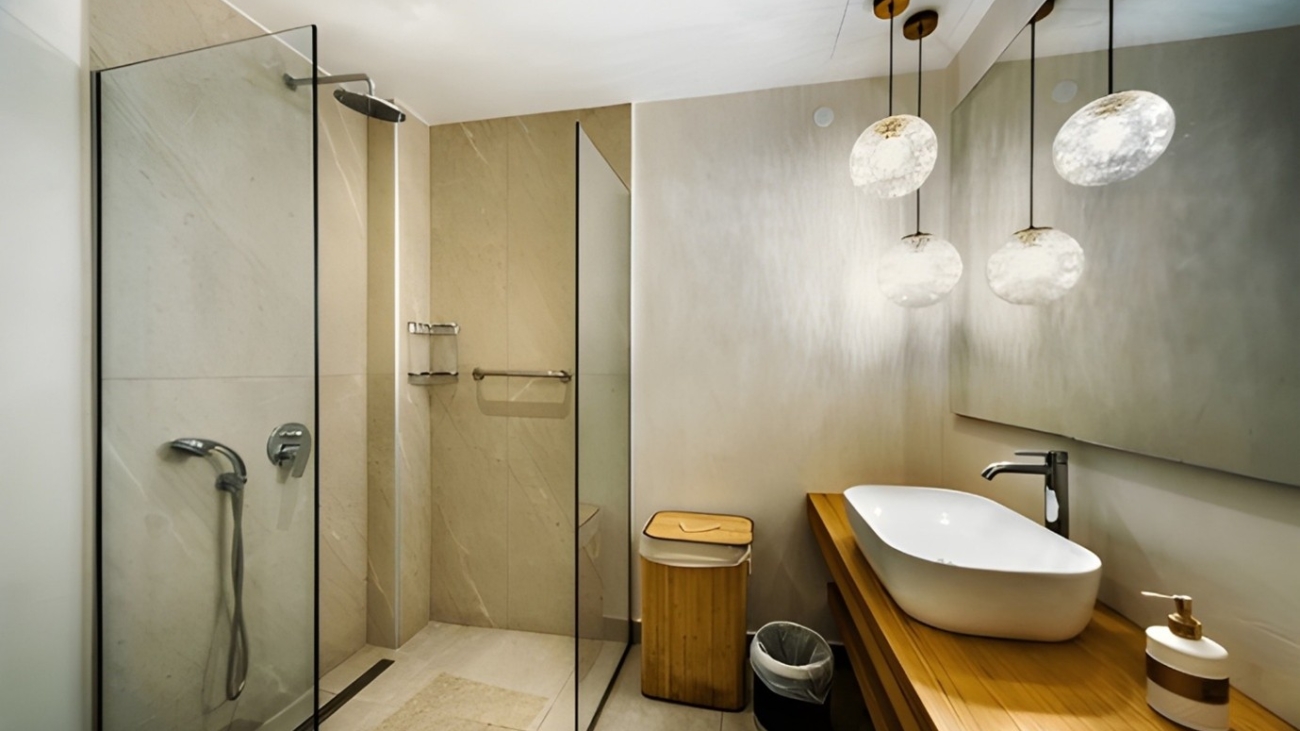
Ever wondered what counts as “standard” when it comes to a walk-in shower? Before you grab that design catalog or start picking tiles, it’s worth pausing to understand what standard sizing truly means. Knowing the standard walk in shower dimensions can help you plan a remodel that feels balanced, functional, and built to last.

What Exactly Is a Standard Shower Size—and Why Does It Matter?


Most homeowners picture a square 36×36-inch space, but that’s just the beginning. Depending on your bathroom layout and comfort preferences, you’ll also come across common sizes like 48×36 inches and 60×36 inches. These dimensions balance comfort with code compliance, ensuring movement without overcrowding the space. According to the National Kitchen and Bath Association (2024), nearly 68 percent of new bathroom remodels now feature walk-in showers—proof that this trend isn’t fading anytime soon.

Quick Pointers on Planning the Layout

  • Always start with the shower pan size—it determines everything else.

  • Keep at least 15 inches of clearance from the toilet or vanity to the shower entrance.

You might think adding a few extra inches doesn’t matter—but it does. Those inches define how naturally your body moves in space. And if your bathroom has a sloped ceiling or tricky layout, don’t worry—there are clever design adjustments that can help.

How Small Is Too Small? Understanding Minimum Codes and Comfort


Now here’s where it gets interesting. Building codes in most regions require a minimum dimensions for walk in shower of 30×30 inches. But let’s be honest—while that might meet the legal requirement, it’s far from luxurious. The ideal space should allow you to stretch your arms without bumping into glass. A ceiling height of at least 80 inches is also advisable to maintain proper ventilation and visual openness.

“The biggest mistake homeowners make is assuming that standard equals suitable. Ergonomics and space planning must go hand in hand with design,” says David K, a certified remodeling consultant.

Thinking About Accessibility? Here’s What to Remember


If you’re planning for long-term living or multi-generational homes, consider barrier-free entries and grab bars. Modern accessible showers now blend safety with elegance, featuring wide entrances and slip-resistant tiles. Here’s some of the key facets to remember when talking about standard walk in shower dimensions – 

Pointers to Enhance Accessibility

  • Opt for a curbless design with a gentle floor slope for easy entry.

  • Maintain a 36-inch door width for wheelchair access, if required.

But wait—what about when the shower needs to fit into an unconventional space? Here’s where custom remodeling solutions shine. Imagine a shower design that molds to your bathroom’s unique angles without sacrificing style.

Let’s Talk Aesthetics and Functionality Together


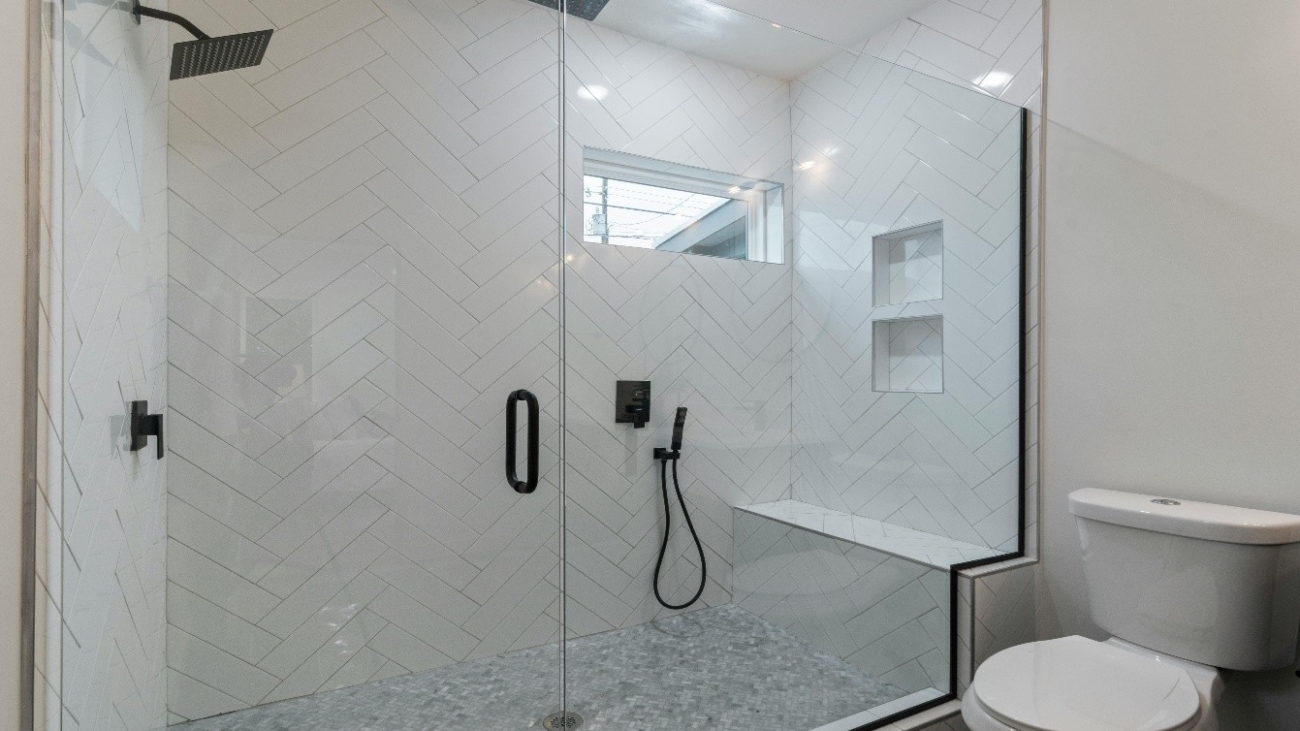
The typical walk in shower size isn’t just about numbers—it’s about creating flow. A 48×36-inch layout offers the sweet spot between functionality and flair, while a 60×36-inch size delivers spa-like luxury. Add glass enclosures, niche shelving, or rainfall showerheads, and the transformation feels magical.

And here’s a cliffhanger: what if your bathroom could look larger without changing its footprint? Stay tuned, because the answer lies in strategic lighting and tile placement that tricks the eye.

Another question worth pondering—are you choosing materials that will still look timeless five years from now?

How Customization Makes All the Difference


That’s where Half Price Baths steps in with its range of services to customise all your demands. From consultation and design guidance to material sourcing and professional installation, our honest promise and fast turnaround make us a favorite among homeowners. With a high satisfaction rate and focus on craftsmanship, they turn dream bathrooms into real, livable spaces.

The Final Takeaway: Planning With Purpose


Understanding typical walk-in shower dimensions gives you clarity before you dive into a remodel. Knowing the codes, comfort zones, and design options helps you make smarter, future-ready choices. Think of it as setting the stage for years of comfort and ease.

Every great remodel starts with a plan—and ends with a home that reflects you. Whether your bathroom is small or sprawling, there’s always a way to make it smarter, safer, and more stylish. And that’s the real beauty of remodeling—turning everyday spaces into experiences of comfort and joy.

kitchen remodel Austin Texas

Budget with Vision: How to Allocate Costs without Compromising Style?

Let’s be honest—most homeowners make one classic mistake when remodeling: they underestimate labor costs and overspend on finishes. You fall in love with those marble countertops, only to realize later that installation, plumbing, and lighting eat up almost half your budget. So, how do you balance beauty with practicality? 

Let’s talk about how to save money on a kitchen renovation without losing your design edge.

Where Does the Money Really Go? Let’s Break It Down

Remodeling isn’t just about what you see; it’s about what you don’t budget for. The following table gives a realistic snapshot of where your investment usually lands.

Category

Percentage of Budget

Notes

Cabinetry & Storage

25-30%

    Custom work drives value

Labor & Installation

20-25%

Skilled craftsmanship counts

Countertops

10-15%

Quality impacts durability

Appliances

10-15%

Look for energy efficiency

Flooring & Lighting

10-12%

Enhances both design and comfort

Miscellaneous (Permits, Fixtures, etc.)

8-10%

Always leave a buffer

According to HomeAdvisor’s 2025 Cost Survey, the average U.S. homeowner spends between $14,000 and $40,000 on a mid-range kitchen remodel—a number that rises sharply in metro areas.

How to Prioritize Your Spending Without Losing Style?

Before you reach for those luxury tiles, ask yourself: What adds long-term value?And how to save money on a kitchen renovation simultaneously? It’s tempting to chase trends, but the smartest investments usually lie in the foundation.

Pointers to keep your focus sharp:

  • Spend more on layout and structure; they define flow and functionality.

  • Save on secondary materials—like decorative trims or backsplashes—that can be upgraded later.

In short, balance is key. You can still create a kitchen that looks high-end, even when working within a realistic budget.

The Art of Smart Budgeting—What to Consider When Renovating a Kitchen

You might think a beautiful remodel means an expensive one, but design doesn’t always follow dollar signs. So, what to consider when renovating a kitchen? Plan every detail, from countertops to lighting, before the first hammer hits.

Consider these factors:

  • Material sourcing: Choose mid-range options that mimic premium finishes.

  • Professional installation: Skilled labor ensures your remodel lasts.

Here’s where Half Price Baths steps in—with its “half the price” promise, fast turnaround, and complete customisation to suit your style. From design consultation to installation, we deliver a seamless remodeling experience with a high satisfaction rate.

Now here’s a question worth pondering—wouldn’t it be refreshing to save thousands and still have a kitchen you love showing off? Stay with me.

Why Vision Matters in Every Dollar You Spend

A budget without vision feels like a room without light. Every design decision must align with how you live and cook daily. For example, splurging on soft-close cabinetry or durable quartz counters offers practical luxury—smart investments that last decades.

You’ll be surprised at how small tweaks—like recessed lighting or matte-finish tiles—elevate the look without breaking the bank. And if you’re thinking about a commercial kitchen renovation, the same rules apply: invest where durability meets design.

Your Future Kitchen—Smart, Stylish, and Cost-Effective

If you’re planning a kitchen remodel Austin Texas, remember: style doesn’t come from price tags—it comes from thoughtful planning. The secret is knowing when to spend, when to save, and when to call the experts.

So, before you start tearing down walls, take a moment. Picture your dream kitchen—streamlined, functional, and budget-wise. What if I told you that dream could cost less than you think? That’s right, your ideal remodel is waiting to be designed with vision and care.

Take the next step—schedule a consultation, ask questions, explore options. Let’s turn your remodeling budget into a masterpiece that reflects both your taste and your financial wisdom.


Kitchen Remodeling

Custom Cabinets for Mid-Century Modern Kitchens: Retro Meets Refined!

When did mid-century modern become a kitchen must-have?

From the 1940s through the 1960s, mid-century modern (MCM) design redefined interiors with its clean lines and natural materials. Today, homeowners crave that nostalgic yet sophisticated feel — and kitchen remodeling with custom cabinets is the perfect way to bring this timeless style into your home.

What Defines Mid-Century Modern Kitchen Cabinets?

At its core, MCM design celebrates simplicity and functionality. Think flat-front cabinets that showcase natural wood grains—especially walnut and teak veneers. Add brass or geometric hardware, and you’ve captured that retro vibe with a refined twist. But why settle for vintage materials alone?

  • Custom cabinets allow you to recreate the classic look using modern, durable materials.
  • Soft-close drawers and doors combine convenience with style, upgrading your kitchen without compromising authenticity.
  • The flat fronts and minimal ornamentation keep the space airy and sleek, perfect for today’s open-plan homes.

Can Custom Cabinets Balance Vintage Charm with Modern Convenience?

Absolutely. The key lies in thoughtful design and expert craftsmanship. For instance, Half Price Baths is there with its range of services to customize all your demands—from consultation and material sourcing to professional installation. We ensure your custom kitchen design remodel perfectly matches your vision while adding today’s comforts.

Surprising Fact #1: Did You Know?

According to the National Kitchen & Bath Association’s 2023 report, over 40% of homeowners investing in kitchen remodels seek to incorporate mid-century modern elements—especially custom cabinetry—to boost both aesthetics and resale value.

How Do Walnut and Teak Veneers Enhance Your Kitchen’s Style?

These natural woods are beloved for their warm tones and rich grain patterns, which bring life and texture to your cabinetry. Plus, their durability means your kitchen stays beautiful for years. But here’s something to consider—would you go for the classic brass knobs or opt for bold geometric handles that make a statement?

A Customer’s Voice: Why Go Custom?

“We wanted our kitchen to feel like a true mid-century masterpiece. The team guided us through every step, from choosing teak veneers to selecting hardware that fits perfectly. The custom cabinets aren’t just beautiful—they function flawlessly. Our kitchen is now the heart of our home.” — Sarah J., Dallas, TX

What’s the Unexpected Challenge in Retro Kitchen Remodels?

Here’s where many homeowners hit a snag: blending vintage aesthetics with modern standards. You want to keep the charm but need efficient storage and durable finishes. Luckily, custom kitchen remodel contractors solve this puzzle by tailoring cabinets that respect MCM design principles while meeting today’s demands.

Surprising Fact #2: The Soft-Close Upgrade

Soft-close hinges and drawers might seem like a small detail, but they completely change your kitchen experience. Imagine a quiet, smooth closing that protects your cabinets’ pristine surfaces. This upgrade, paired with authentic mid-century materials, creates a perfect balance of retro style and modern luxury.

Why Should You Consider Custom Cabinets for Your Kitchen Remodel?

  • They ensure every inch of your kitchen is functional and beautiful.
  • You control the materials, finishes, and hardware for a personalized look.
  • A professional remodel enhances your home’s value and daily enjoyment.

What’s Next for Your Mid-Century Kitchen Remodel?

Ready to turn your kitchen dreams into reality? Whether you’re a new homeowner, a retiree wanting a stylish upgrade, or an investor aiming for top resale value, custom cabinets tailored to mid-century modern style are your game-changer. But the question remains—how do you choose the right expert to bring your vision to life?

Here’s the Cliffhanger…

Imagine stepping into a kitchen that feels both retro and completely fresh. Could custom cabinetry be the secret ingredient you didn’t know you needed? And what innovative materials will redefine mid-century modern kitchens in the next decade?

Last Note

There’s always hope when you blend classic design with contemporary solutions. With expert guidance and custom craftsmanship, your mid-century modern kitchen can become a stunning space that reflects your style and functions flawlessly.

So why wait? Dive into your kitchen remodeling with custom cabinets today and watch how retro meets refined in your home.

If you want a smooth, stylish kitchen remodel that honors the past but embraces the present, talk to Half Price Baths—experts in custom kitchen remodel contractor services who ensure every detail fits your unique needs.

Japandi Bathroom

Japandi Bathrooms: Merging Japanese Serenity with Scandinavian Simplicity!

Looking to elevate your space with a luxury bathroom remodeling that perfectly balances warmth and minimalism? Japandi bathrooms offer just that—an artful fusion of Japanese tranquility and Scandinavian simplicity.

This style focuses on clean lines, natural materials, and spa-like serenity, making it a top pick for homeowners and investors seeking high-end bathroom renovations. Curious how this style can transform your bathroom into a peaceful retreat? Let’s explore.

What Makes Japandi Bathrooms Stand Out?

At first glance, Japanese and Scandinavian designs may seem worlds apart—yet both embrace simplicity and natural beauty. Japandi style bridges these by combining the rich textures and earthy tones of Japan with the airy, functional minimalism of Scandinavia. The result? Bathrooms that feel inviting, warm, and uncluttered, with every element thoughtfully chosen to promote calm.

Why Choose Japandi for Your Bathroom Remodel?

Warm Minimalism: Japandi spaces avoid cold sterility by incorporating soft lighting, vertical wood slats, and plaster walls that breathe warmth.

Luxury Comfort: Think Japanese soaking tubs—a deep, inviting focal point perfect for relaxation—paired with minimalist vanities and limestone floors.

Effortless Storage: Hidden or streamlined storage solutions keep your space clutter-free, reinforcing the serene vibe.

Soft Ambient Lighting: Lighting here isn’t just functional; it’s mood-enhancing, creating a gentle glow to soothe your senses after a long day.

It is these little facets that make this luxury bathroom remodeling especially of the Japandi style – such a curious and beautiful mix of opulence and reality.

Japandi vs. Traditional Bathroom Styles: A Quick Comparison


Feature Traditional Bathroom Japandi Bathroom
Design Style Ornate, detailed Minimalist, natural
Materials Polished tiles, plastic Limestone, vertical wood slats
Color Palette Bright, varied Neutral, warm earth tones
Storage Visible, bulky cabinets Hidden, minimalist storage
Lighting Bright, overhead Soft, ambient
Focus Functionality Relaxation & aesthetics

Myth Busters: Japandi Bathroom Edition

  Myth 1: Japandi Bathrooms are Cold and Uninviting

False! Japandi thrives on warmth—through wood textures, plaster walls, and soft ambient lighting—creating spaces that feel both cozy and open.

  Myth 2: Minimalism Means Minimal Comfort

Not true. Japandi style balances simplicity with luxury. The Japanese soaking tub, for example, is the epitome of comfort and indulgence without clutter.

What’s Trending in Japandi Bathrooms?

According to a 2023 survey by the National Kitchen & Bath Association, 43% of homeowners prefer minimalist designs that incorporate natural materials and spa-like features—a clear win for Japandi bathrooms. If you want your next luxury bathroom remodeling to be on-trend, this fusion is an excellent choice.

How to Get Started with Your Japandi Bathroom Remodel?

Begin with consultation from a reliable team like Half Price Baths, known as the best bath remodel company for our personalized approach—from design guidance and material sourcing to professional installation. We help you merge these styles effortlessly, ensuring every detail, from vertical wood slats to soft plaster walls, aligns with your vision.

Ready for Your Peaceful Spa-Like Bathroom?

Transforming your bathroom into a Japandi-inspired sanctuary means embracing simplicity without sacrificing luxury. Whether you’re a new homeowner, retiree, or investor aiming for value, this style offers a perfect blend of calm and sophistication. If you want your space to feel more like a retreat, ask your remodeling experts about adding Japanese soaking tubs and minimalist vanities—key staples that bring Japandi elegance to life.

Let Japandi Luxury Be Your New Standard

When you choose Japandi bathroom design, you choose a lifestyle—a peaceful, purposeful space that balances aesthetics with comfort. Trust professionals like Half Price Baths to handle your high end bathroom renovations with precision, turning your dreams into reality.

Half Price Baths – Customizing Luxury Bathroom Remodeling, One Japandi Space at a Time!

If you want a bathroom remodel that’s both modern and timeless, simple yet luxurious, Japandi is your go-to style. Ready to start your journey toward a serene, spa-like bathroom? Reach out today!

Walk-In Shower

Designing for Disability: Custom Walk-In Showers for Wheelchair Accessibility!

Why do most people get it wrong with disability shower design?

You know the intention is right—but the execution? Often way off.
One of the most common mistakes homeowners make when remodeling for accessibility is assuming a curbless shower is enough. While it’s a start, true wheelchair accessibility demands far more than removing a step.
Without factoring in turning radius, bench stability, and adjustable shower arms, you’re not creating comfort—you’re creating frustration.

Let’s walk through what actually makes walk-in showers for the elderly truly functional—and beautiful.

What Should a Wheelchair-Accessible Shower Include?

When planning a roll-in walk-in shower, you need a mix of design sensibility and strict ADA compliance. Here’s what to look for:

Essential Feature ADA Recommendation
Entry Width At least 36 inches wide
Shower Floor Slope Max 1:48 for drainage, no lip or curb
Grab Bars Placed 33-36 inches from the floor
Shower Bench Fold-down or built-in, 17-19 inches from floor
Adjustable Shower Head Arm Reachable from seated and standing positions

These are not just guidelines—they’re must-haves.

Surprising Insight #1: Style and Accessibility Can Coexist

There’s a belief that accessible design equals clinical and dull. Not true.
Modern universal design bathrooms now blend aesthetics with full functionality. From large-format anti-slip tiles to teak fold-down benches and sleek linear drains, a curbless shower for disability can be visually striking—and Instagram-worthy.

Designing with Space: Why Layout Matters More Than You Think

A wheelchair-accessible shower must accommodate turning and maneuvering. The ideal clear floor space? At least 60 inches in diameter. That’s enough for a full 360-degree wheelchair turn.

Many remodelers overlook this during planning, placing beautiful elements too close together. The result? A gorgeous but impractical space. That’s why working with a local walk in shower installer who understands both code and comfort is key.

Surprising Insight #2: The Bench Isn’t Optional

You might be tempted to skip the bench, thinking it’s unnecessary if the user is in a wheelchair. But it’s a game-changer. Whether for transferring, resting, or support during assisted bathing, the bench makes the shower experience safer and more independent.

And for aging users who aren’t yet in a wheelchair but face mobility issues, it can mean the difference between a dangerous shower—and a relaxing one.

Fresh Stats Speak Volumes

According to a 2024 report by the National Institute on Aging, nearly 90% of adults over 65 prefer to age in place. And among them, 73% say a barrier-free bathroom is a critical factor.
 That’s a massive segment of homeowners actively looking to remodel—and do it right.

Design Tip: Don’t Ignore the Shower Controls

Install controls at wheelchair height—between 38 to 48 inches from the floor. Plus, choose lever-style handles for easy grip. Combine that with a handheld shower head on a slide bar, and you’ve got a fully adaptable system.

This is where walk in shower base installation plays a critical role. Sloped right, placed right, and surfaced right—it’s what keeps water inside and hazards out.

Need Help Designing It Right?

You don’t have to guess your way through design codes and fixture choices. That’s exactly where Half Price Baths steps in—with expert consultations, tailored designs, material sourcing, and professional installations built around your needs.

Whether you’re future-proofing your home or renovating for a loved one, their team custom-builds solutions that combine compliance, comfort, and style.

Let’s Imagine This: A Real Solution in Action

Picture this: a wide-entry, no-threshold walk-in shower for the elderly, with soft LED lighting, a teak folding bench, sleek grab bars, and a rain-style shower head that adjusts at a touch. The user rolls in effortlessly. No strain, no stress. Just a beautiful space made for them.

This isn’t luxury. It’s thoughtful design. And it’s possible—today.

Final Word

If you’re ready to remodel with intention—not just aesthetics—designing for disability is where comfort and care meet. And the best part? Done right, these features don’t just serve a need—they elevate your entire home.

Ready to reimagine what a truly accessible bathroom can be? Your design journey starts with asking the right questions—and partnering with the right pros.

Handicap Walk-In Shower

Handicap Walk-In Shower Ideas for Maximum Safety and Accessibility!

When it comes to remodeling your bathroom for long-term safety, a walk-in shower for handicap use isn’t just a luxury—it’s essential. Compared to traditional tubs or raised-entry showers, a walk-in shower for handicap access offers seamless entry, reduced fall risk, and a dignified bathing experience for individuals with limited mobility.

Now, let’s explore handicap walk-in shower ideas that combine safety with smart design—without compromising style.

Barrier-Free Entry: No Threshold, No Trip Risk

The #1 game-changer in bathroom safety? Curbless entry showers. These walk-in designs eliminate the raised lip or threshold that can cause dangerous stumbles. Especially beneficial for wheelchair users or those with walkers, curbless showers ensure effortless access—plus, they look sleek and modern.

Pro Tip: Ensure the slope of your shower floor is ADA-compliant for proper drainage without pooling.

Slip-Resistant Tiles: Small Details, Big Impact

One often-overlooked feature in a walk in shower handicap accessible remodel is flooring. Opt for slip-resistant tiles, preferably textured porcelain or ceramic. These reduce the risk of slips, especially when wet, while adding a sophisticated finish to the overall space. According to the CDC, over 3 million older adults are treated annually for fall injuries, many occurring in the bathroom. (Source: CDC.gov)

ADA-Compliant Grab Bars: The Right Placement Is Everything

Grab bar installation isn’t just about adding hardware—it’s about strategic positioning. ADA guidelines recommend bars placed horizontally at 33–36 inches above the shower floor, ideally on multiple walls. Whether transitioning from a chair or steadying yourself mid-shower, these fixtures provide reliable support.

But what if your shower space is too small for multiple grab bars? Don’t worry—we have a smart workaround you’ll love…

Built-In Shower Benches: Comfort Meets Convenience

Installing a fold-down or fixed shower bench enhances both safety and comfort. For those with limited standing stamina, this feature can make all the difference. Bench placement should be close to the handheld shower head for ease of use—no stretching or straining required.

Also, don’t forget to select waterproof and mildew-resistant materials like teak or stone resin. These look gorgeous and perform even better.

Smart Add-Ons: More Than Just Safety

Want to take your handicap shower from functional to fabulous?

  • Handheld shower heads with adjustable heights
  • Anti-scald thermostatic controls to prevent burns
  • Recessed shelving within easy reach
  • Motion sensor lighting for nighttime visibility

All of these additions contribute to a more user-friendly and elegant environment.

There’s one overlooked addition that not only improves accessibility—but may boost your home’s resale value. We’ll discuss that in our design consultation…

People Also Ask

Q1: What is the best type of shower for someone with mobility issues?

A walk in shower for handicap users, featuring a curbless entry, grab bars, and non-slip flooring, is considered the safest and most practical option for people with limited mobility.

Q2: How much space is needed for a handicap-accessible walk-in shower?

ADA standards recommend a minimum interior shower size of 60” x 30” to allow for wheelchair rotation and safe transfers.

Q3: Can a walk-in shower be installed in a small bathroom?

Yes, with custom planning and expert guidance, even compact bathrooms can accommodate a walk in shower handicap accessible design. Space-saving layouts and built-in benches help maximize efficiency.

Design Support You Can Trust

At Half Price Baths, we know remodeling isn’t just about products—it’s about personalization. Whether you’re designing for a loved one aging in place, recovering from injury, or planning for the future, we offer:

  • One-on-one consultations
  • Professional 3D design previews
  • High-quality material sourcing
  • Custom, code-compliant installation

Our team helps you transform your bathroom into a space that’s not only safe—but one you’ll love using every day.

Ready to Design a Safer, Smarter Bathroom?

With the right design and expert help, you can turn your current setup into an ADA walk-in shower that’s practical, stylish, and secure. Don’t wait for an accident to start thinking about accessibility. It’s time to act.

Have questions? We’re just a call or click away.

Thank you for reading. We hope these handicap walk in shower ideas sparked some inspiration for your next remodel. Whether you’re starting from scratch or upgrading an old setup, we’re here to help you make thoughtful, informed choices for every inch of your space.

Remodeling Kitchen

Breaking Down the Average Cost of a Kitchen Remodel in 2025!

Myth Buster: “A kitchen remodel always costs over $100,000.”
 False. The truth? A functional, stylish kitchen upgrade can be tailored to your budget—and often for far less than you think.

So, how much does the average kitchen remodel cost in 2025? You’re not alone in asking. Whether you’re redoing your forever home or preparing to sell, understanding kitchen remodel pricing is the first step toward a smooth renovation.

The National Picture: What’s Driving Kitchen Remodel Pricing?

On average, a mid-range kitchen remodel in the U.S. costs $27,000–$42,000, while an upscale remodel can range between $75,000 and $130,000. But that number depends heavily on your zip code, square footage, and style expectations.

Stat to know: According to the 2025 Remodeling Magazine Cost vs. Value Report, the national kitchen remodel average cost for a mid-range project is $38,195—a 4.3% increase from 2024.

So, what makes up those costs? Let’s break it down…

What Really Drives the Average Cost of a Kitchen Remodel?


Cost Influencer % of Budget Details
Cabinetry 25–35% Custom vs. stock, wood quality, finishes
Countertops 10–15% Quartz, granite, butcher block, etc.
Appliances 10–20% Energy efficiency, smart features
Plumbing & Electrical 10–15% Re-routing lines, upgrades
Labor 20–25% Regional rates, licensed contractors

Regional Variations: East vs. West Coast Realities

Are you in California? Expect to pay 30–40% more than someone remodeling in the Midwest. For instance, a kitchen remodel in San Francisco can easily hit $80,000+, while the same scope in Cleveland may stay under $50,000.

Here’s a surprising twist: In some Southern regions, high-quality materials are cheaper to source, but skilled labor may be scarce—so you could save on product costs but spend more on installation.

Key Factors That Shape Your Budget

  1. Kitchen Size & Layout Complexity

    Smaller kitchens can be surprisingly expensive. Why? You’re still buying the same high-end appliances and finishes—but with less flexibility in layout. That’s why the question isn’t just how much is it to remodel a small kitchen, but how functional is your space?

  2. Finish Level: Basic, Mid-Range, or Luxury?

    A stock cabinet setup and laminate countertops won’t compare to custom oak cabinetry and waterfall quartz islands. But not every homeowner needs luxury.

Want to know the one finish that adds luxury without blowing your budget? (We’ll reveal it in our free design consult.)

  1. Kitchen Remodel Cost Per Square Foot

    Want to know about kitchen remodel cost per square foot? Expect to pay around $150 to $250 per square foot, depending on material choices and labor. If your space is 200 square feet, you’re looking at a ballpark of $30,000 to $50,000—though the range swings wider for high-end builds.

A Realistic Breakdown of Remodel Types

  • Mid-Range Remodel: Basic layout, semi-custom cabinets, upgraded appliances. Ideal for growing families.
  • Upscale Remodel: Full reconfiguration, luxury finishes, smart appliances. Best for long-term living or resale boost.
  • Investor Remodel: Budget-focused, fast turnaround, modern look. Perfect for flips and rentals.

There’s a remodel strategy investors are using in 2025 to double their ROI in 90 days. Want in?

How Half Price Baths Can Help You Remodel Smart?

From precise consultation to custom material sourcing and expert installation, Half Price Baths is here to transform your kitchen into a space that works—and wows. We align with your vision and budget, and walk with you from blueprint to backsplash.

So, How Much Does the Average Kitchen Remodel Cost in 2025?

It depends—but now, you know what drives the numbers. Whether you’re eyeing a sleek modern makeover or a cozy traditional space, remember: smart planning is where savings begin.

Thinking of remodeling soon? Let’s make it functional, stunning, and worth every dollar.

Your kitchen, reimagined—with style, function, and the right price.

Bath tub

10 Essential Tips for Planning a Bathroom Remodel without Stress

Planning a kitchen or bathroom remodel is a lot like moving—exciting at first glance, but often overwhelming once reality sets in. While one homeowner may enjoy browsing paint swatches, another might stress over plumbing permits and layout changes. So, what separates a chaotic remodel from a smooth one? It’s simple: early planning and expert guidance.

Let’s uncover the 10 essential tips on bathroom remodeling that can truly change your experience.

1. Start with a Realistic Budget Plan

Before dreaming in tiles and taps, get real about your budget. Take stock of what you can afford—and then add 15% for unexpected costs. Whether you’re upgrading fixtures or restructuring the entire layout, your budget is your roadmap. And here’s the cliffhanger: Do you know which part of your remodel might silently eat up 30% of your budget? (Hint: It’s not the tiles.)

2. Measure Your Space — Accurately

This seems obvious, yet it’s often missed. A few inches can make or break your design—especially when fitting in vanities, tubs, or floating cabinets. Measure door swings, plumbing positions, and even ceiling heights. A skilled remodeling contractor can help you convert awkward spaces into functional design statements.

3. Think Layout First, Aesthetics Second

Your bathroom should be more than just beautiful—it needs to work. Another of the tips on bathroom remodeling is to ensure that you – focus on flow, accessibility, and ventilation. Planning layout early on helps ensure plumbing, electrical, and ventilation systems align properly. Looking good is only half the job—functionality pays the bills.

4. Choose Fixtures with Long-Term Value

This is where most homeowners get stuck. That trendy matte-black faucet may look stunning, but will it last? When planning fixture upgrades, think lifespan and ease of maintenance. Pro tip: Go for water-efficient fixtures to reduce utility bills over time.

5. Align Style With Daily Use

Form meets function here. Choose materials and finishes that reflect your style, but also withstand moisture and frequent use. If you have kids or aging parents, slip-resistant flooring and lever-style faucets can be both beautiful and practical.

6. Get the Right Contractor Onboard

According to the National Association of Home Builders, 76% of remodeling issues stem from poor contractor communication. Choose a bathroom remodeling contractor with experience, verified reviews, and a portfolio that matches your vision. Ask questions related to tips on bathroom remodeling, get estimates, and don’t rush this step.

7. Use Digital Tools for Design Planning

Many remodelers now offer 3D design software that lets you see your space before the demo begins. This helps avoid costly mid-project changes. Visualising your layout in advance can save you thousands—and a lot of regret. This is one of the bathroom remodel tips that you cannot miss out on!

8. Know When to Splurge (And When to Save)

Here’s another cliffhanger for you: Would you believe that splurging on lighting can make a budget-friendly bathroom look luxe? On the flip side, you can save big on cabinetry or wall paint without compromising quality.

9. Think About Resale—Even If You’re Not Selling Yet

It’s smart to remodel for personal comfort, but future-proofing adds value. Features like dual sinks, walk-in showers, or linen storage are resale-friendly upgrades. Strategic choices now can pay off later if you plan to sell or rent.

10. Don’t DIY the Installation—Go Custom

Even if you’ve got a knack for weekend projects, complex installs require precision. From plumbing reroutes to tile alignment, customised professional installation ensures everything is safe and durable. That’s where a service provider like Half Price Baths comes in—offering tailored consultations, design guidance, material sourcing, and seamless execution to match your vision.

Ready to Remodel Without the Headaches?

Whether you’re upgrading for comfort or prepping for resale, planning your bathroom remodel doesn’t have to drain your energy. With the right strategy and expert support, you can turn your bathroom into a functional, stylish sanctuary—without the stress.

Looking for bathroom remodel tips and tricks, design input or installation support? Let’s make your dream bathroom a reality—schedule your consultation today.

Walk In Showers

Daily Hygiene Made Simple: Why Walk-In Showers Are a Game-Changer for Busy Professionals?

What if your morning routine could be faster, smarter, and more stylish—without sacrificing comfort or cleanliness?

If you’re constantly on the go, juggling work calls with early meetings, the last thing you need is to waste time waiting for a tub to fill. That’s where installing a walk in shower transforms your day-to-day life—offering both time efficiency and sleek design in one smart upgrade. Whether you’re a homeowner, investor, or renovating for resale, this is the change your bathroom needs.

Save Time Without Cutting Corners

In a fast-paced lifestyle, every minute counts. Walk-in showers eliminate the need for long, drawn-out prep—no filling tubs, no awkward climbing in and out. You simply step in, start the water, and get on with your day. It’s convenience meets function, wrapped in minimalist style.

Fact Check: According to the National Kitchen and Bath Association (NKBA), over 63% of homeowners prefer showers over bathtubs in their primary bathrooms, citing time-saving and accessibility as the top reasons. 

Minimalist Design, Maximum Efficiency

Walk-in showers are more than just practical—they’re a design statement. Think frameless glass panels, sleek fixtures, and customizable tile work. Their open-plan structure makes bathrooms look larger, more modern, and easier to maintain. Cleaning takes minutes, not hours.

  • Quick-dry surfaces
  • Fewer water spots
  • No bulky shower curtains or outdated doors

Your bathroom goes from cluttered to clean-lined—without losing its charm.

Myth Buster #1: “Walk-In Showers Are Only for Seniors”

False. While they offer excellent accessibility for older adults, today’s walk-in showers are tailored for style-conscious professionals and families alike. With customizable layouts, trendy finishes, and smart features like body jets and rainfall heads, they’re as modern as they are functional.

No More Waiting—Just Walk In

Forget warming up bath water or checking if your tub is too full. With a walk-in shower, you’re always one step away from refreshment. Whether it’s a quick rinse after the gym or a relaxing end to your workday, you’re in control of your time—and your experience.

Thinking, “How do you install a walk in shower?” We hear that a lot. It’s simpler than you think—with the right guidance.

That’s where Half Price Baths steps in—offering everything from expert consultations to material sourcing and tailored professional installation. Your walk-in shower can be functional and fabulous.

Myth Buster #2: “They’re Hard to Install in Older Homes”

Wrong again. Modern remodeling techniques and modular designs allow walk-in showers to be installed even in tight or unconventional layouts. Curious about how to install walk in shower setups in smaller bathrooms? Our team can help redesign your space for seamless integration.

Why Are Professionals Making the Switch?

Busy professionals—especially remote workers, business travelers, and entrepreneurs—are increasingly choosing walk-in showers for their ease of use and modern appeal.

Here’s why:

  • Faster prep times in the morning

  • Reduced cleaning and maintenance

  • Elevated resale value with a modernized bathroom
  • Smarter use of space—great for condos, apartments, and small homes

With less time spent managing clutter and more time focusing on what matters, installing a walk in shower becomes more than a remodel—it’s a lifestyle upgrade.

Custom Solutions for Every Lifestyle

Whether you’re renovating for resale or finally turning your bathroom into a personal sanctuary, a walk-in shower is a smart, value-adding investment.

At Half Price Baths, we walk you through every step—from planning and design to selecting durable, stylish materials and ensuring a flawless installation. You’ll never feel lost or over-budget. You’ll feel in control—because your bathroom should work for you, not the other way around.

Here’s Your Takeaway

You don’t need more time. You need better design.
 A walk-in shower gives you speed, style, and space—without compromise.

So, if you’re asking yourself, “Is it worth installing a walk in shower?”—our answer is simple: Absolutely. And we’re here to make it happen, beautifully and efficiently.

You deserve a space that reflects your lifestyle—clean, modern, and always ready when you are.

professional kitchen remodeling company

DIY vs. Professional: Which Kitchen Renovation Adds More Value to Your Home?

Most homeowners make this mistake: they dive into a DIY kitchen remodel assuming they’ll save money — but end up paying more later to fix it.

Now here’s what you need to ask yourself: How much value does a kitchen renovation add to your home when done right? And who does it best — you or a professional?

Let’s break it all down, step by step.

When Saving Costs Ends Up Costing More

Here’s the truth: DIY seems cheaper — until it isn’t. What starts as a weekend project often becomes a month-long money drain. And the worst part? You may unknowingly reduce your home’s value by cutting corners on plumbing, electricals, or layout.

Half Price Baths understands these pitfalls. With its full-suite professional kitchen remodeling service, including design guidance and expert installation, your renovation is streamlined, compliant, and resale-ready.

Think paint and tiles are the big decisions? Wait until you see what buyers actually focus on — and what they completely ignore.

Checklist: Top 5 Mistakes in DIY Kitchen Renovations That Kill Your Home Value

Mistake Impact on Home Value
Poor cabinet alignment Visibly lowers aesthetic appeal
DIY electrical or plumbing work Major red flag for buyers
Low-quality countertop materials Reduces perceived home worth
Ignoring kitchen workflow (triangle) Hurts usability, lowers buyer interest

ROI Talk: Numbers Don’t Lie

According to the 2024 Cost vs. Value Report by Remodeling Magazine, a midrange major kitchen remodel done professionally has an average ROI of 41.8 percent nationally. But that’s not the full story. Homes in high-value zip codes can recover up to 70 percent of their remodel costs — if the work is done right.

So, how much value does a kitchen renovation add? The short answer is — it depends on execution.

Pro Tip: Custom installations by a professional kitchen remodeling company often include energy-efficient appliances, smart layout improvements, and high-end finishes — all of which increase buyer interest.

Wondering what design elements are considered “dated” in 2025? It’s not what you think.

The Buyer’s Eye: What They Actually Want

Buyers today are sharp. They’re looking for functionality, flow, and smart features.
Things like soft-close drawers, deep storage pull-outs, under-cabinet lighting, and quartz counters win over hearts — and offers.
What do they ignore? Over-personalized backsplashes, outdated floor tiles, and DIY paint jobs that feel… well, DIY.

This is where a professional kitchen remodeling service makes the difference. Experts help balance aesthetics with ROI-driving upgrades.

There’s one feature that adds luxury without breaking your budget — but only pros tend to include it.

DIY or Pro: What’s Worth It and What’s Not

Let’s be real: not all DIY work is bad. Painting cabinets? Yes. Rearranging plumbing or gas lines? No way.

Here’s a quick guide:

Go DIY on:

  • Wall painting
  • Cabinet hardware replacement
  • Light fixture upgrades

Hire pros for:

  • Layout changes
  • Floor plan expansions
  • Countertop and backsplash installation
  • Electrical and plumbing updates

These high-impact changes determine how much value does a kitchen renovation add when it’s time to sell or refinance.

Final Thoughts: What’s Your Kitchen Really Worth?

The bottom line: A professional remodel adds value, time savings, and peace of mind.
Not just in dollars — but in design precision, code compliance, and resale confidence.

So before you pick up that sledgehammer, ask yourself:

Would you rather impress a future buyer — or explain your DIY decisions to one?

Half Price Baths is here with a range of kitchen and bathroom remodeling services to bring your dream design to life — safely, stylishly, and smartly.

Still wondering…

Is your kitchen a selling point — or a liability waiting to be fixed?

Let’s talk.