
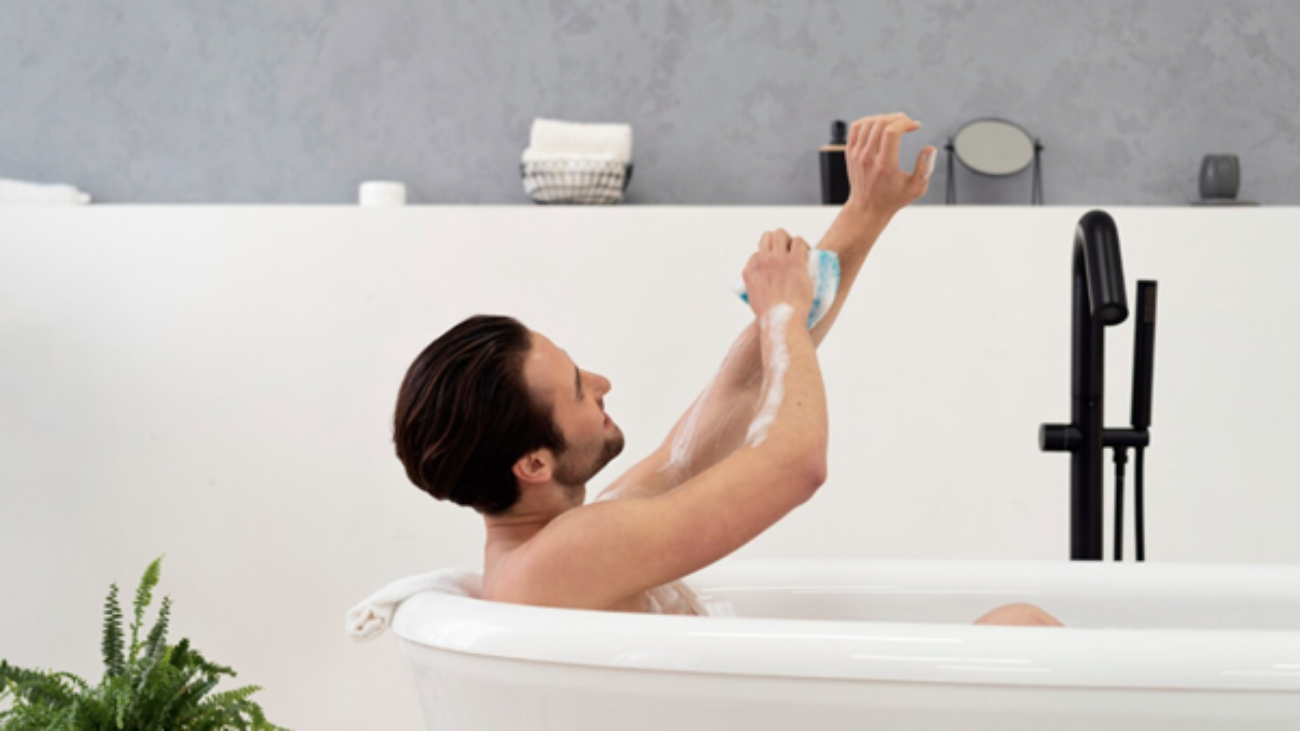
If you ever imagine quiet mornings in a countryside home, feeling the soft glow of dawn through a window, and pictured yourself sinking into a warm bath — this guide is for you! In this post, you’ll discover how to go about installing stand alone tub in your rural bathroom. From planning and plumbing to style and comfort, you’ll learn step by step how to transform your space into a cozy retreat.
Why a Standalone Tub Suits Your Countryside Bathroom?
Installing stand alone tub to a rural home does more than beautify a bathroom. It brings a spa-like feel, offers a restful soak after a day’s work, and adds value to your property. Many homeowners today are turning their bathrooms into wellness and comfort zones: a survey showed that among recent bathroom remodels, 36% included bathing upgrades like soaking tubs or spa baths.
If you want a peaceful soak under wooden beams or a loft-style ceiling, a standalone tub gives you the flexibility to place the tub wherever it fits best — not just against a wall.
What to Watch Out for: Common Rural Bathroom Challenges
Rural homes often come with quirks — older structures, outdated plumbing, thinner floorboards, and limited space. Before leaping into stand alone tub installation, you should consider:
- Whether your floor can support the tub filled with water and a bather;
- If your plumbing setup can handle the drain and water supply;
- Whether there’s enough ventilation to avoid mold (especially with wooden walls or older windows);
- How the style of your tub will match rustic walls, beams, tiles, or exposed stone.
Skipping these checks can lead to water damage, sagging floors, or leaks — not the peaceful soak you envisioned.
How to Plan & Prepare: Step‑by‑Step Guide to Installing Standalone Tub
- Evaluate Floor Strength and Reinforcement
If your bathroom sits on older joists or wooden flooring, have a contractor check its load-bearing capacity. To avoid sagging or structural stress, you may need to add extra joists or a plywood layer beneath the tub area. - Check Plumbing and Drainage Access
Rural bathrooms may lack modern plumbing. Ensure you have proper drainage, vent piping, and water supply lines. You might need to reroute pipes, especially if the tub isn’t going against a wall. - Choose the Right Tub Style and Material
Not all tubs suit a rustic home. A freestanding flat‑bottom tub or a vintage‑style clawfoot tub typically works best. Acrylic tubs offer lighter weight and easier installation. Heavier cast‑iron tubs give old‑world charm — but demand stronger floor support. According to recent data, freestanding tubs remain the most popular upgrade among renovators. - Factor in Ventilation and Moisture Control
Install an exhaust fan or ensure a window nearby to manage humidity. In damp rural climates, wood walls can warp or mold — so good ventilation is essential. - Account for Installation Costs and Structure Upgrades
You must budget not only for the tub, but also floor reinforcement, plumbing rerouting, ventilation, finishing, and professional labor. This overall package often determines the cost to install stand alone tub. - Work with Professionals for Best Results
Even if you love DIY, hiring pros ensures proper reinforcement, waterproofing, and compliance with building codes — especially helpful in rustic houses where surprises are common. Our team at Half Price Baths are here for you, to assist you in installing stand alone tub at your home.
How to Make the Tub Look and Feel Perfect in a Country Setting?
- Match the tub with wood or stone finishes to keep rustic charm.
- Use warm bulbs and soft towels to create a relaxing atmosphere.
- Add vintage-style fixtures — like bronze faucets or wooden stool — for a cozy, natural vibe.
- Include nonslip mats and grab bars if users are older or mobility is limited.
Customer Story — Real Transformation
“After we decided to go for a standalone tub, the team walked us through reinforcing the floor and rerouting pipes. Once the tub was in place, it felt like a little countryside spa. My evening soak in that tub melts away the stress of the day. It was worth every penny.”
This homeowner now enjoys a bathroom that feels like a serene retreat — even in a simple, rural setting.
Why You Should Consider Professional Help — Especially from Half Price Baths!
If you want your dream bath without the headache, a professional service like Half Price Baths can handle everything. We offer a “half the price” promise, quick turnaround, tailored design, and high satisfaction. With expert guidance, you avoid structural mistakes, plumbing issues, and poor aesthetics.
Final Thoughts
If you want a peaceful retreat right in your countryside home, installing a standalone tub can turn an ordinary bathroom into a cozy soak sanctuary. With thoughtful planning, structural checks, and good design, you get comfort, aesthetics, and long‑lasting value — without needless complexity.
Want help designing your bath, sourcing materials or scheduling installation? Reach out — let’s create your countryside haven together.
Frequently Asked Questions
- Will my old wooden floor hold a full standalone tub?
Answer: You’ll need a structural inspection. Often, adding extra joists or plywood underlay ensures the floor supports the extra weight safely. - Does installing a standalone tub require major plumbing work?
Answer: It depends. If the drain and water pipes are nearby, minimal work is needed. Otherwise, rerouting pipes may be required — and professionals should handle that. - What styles of tubs suit a rustic countryside home?
Answer: Freestanding flat‑bottom or clawfoot tubs often match rustic interiors best. Acrylic tubs are light and easy to install; cast‑iron tubs give vintage charm but require stronger floor support. - Is it expensive to get everything done (tub, floor, plumbing, finish)?
Answer: It can be, especially with floor reinforcement and plumbing updates. That’s why budgeting for the entire project — not just the tub — is essential. - How can I keep the bathroom mold‑free after installation?
Answer: Ensure proper ventilation — an exhaust fan or regular window airing — plus waterproof finishes, and maintenance of grout and caulking.