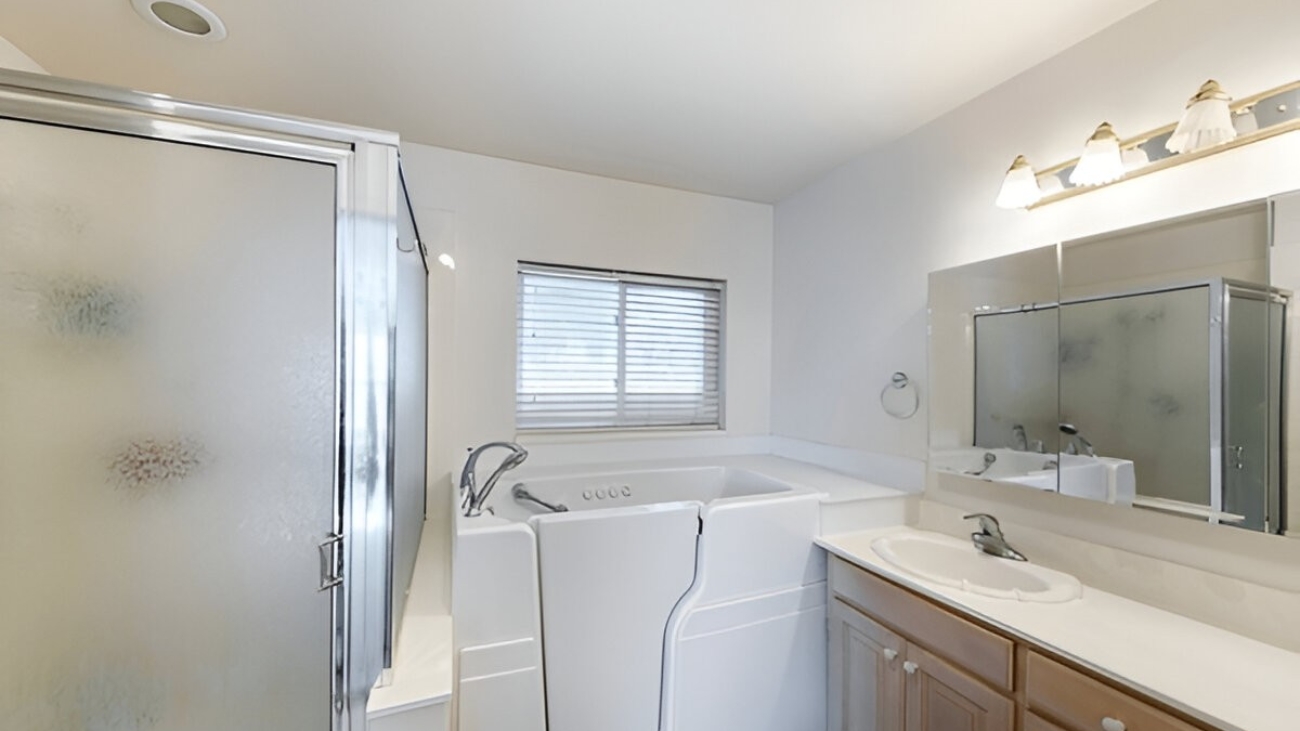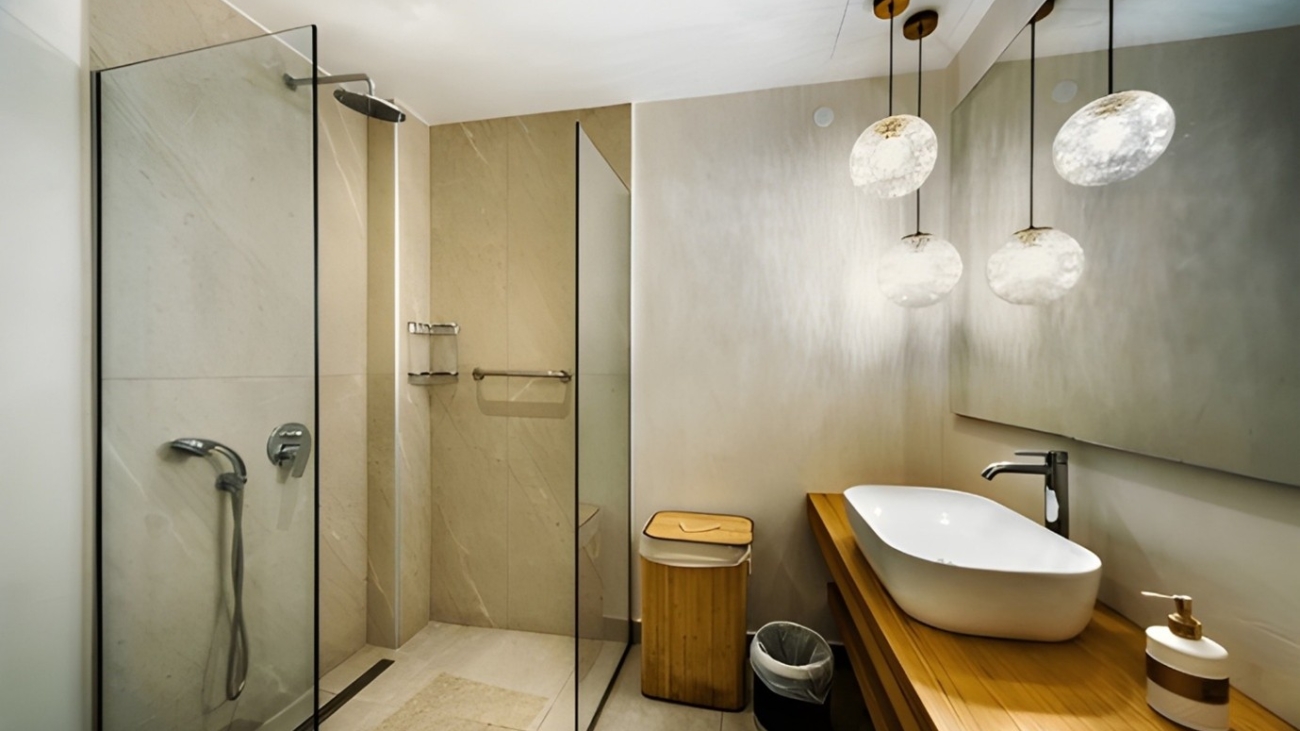
Ever wondered what counts as “standard” when it comes to a walk-in shower? Before you grab that design catalog or start picking tiles, it’s worth pausing to understand what standard sizing truly means. Knowing the standard walk in shower dimensions can help you plan a remodel that feels balanced, functional, and built to last.
What Exactly Is a Standard Shower Size—and Why Does It Matter?
Most homeowners picture a square 36×36-inch space, but that’s just the beginning. Depending on your bathroom layout and comfort preferences, you’ll also come across common sizes like 48×36 inches and 60×36 inches. These dimensions balance comfort with code compliance, ensuring movement without overcrowding the space. According to the National Kitchen and Bath Association (2024), nearly 68 percent of new bathroom remodels now feature walk-in showers—proof that this trend isn’t fading anytime soon.
Quick Pointers on Planning the Layout
- Always start with the shower pan size—it determines everything else.
- Keep at least 15 inches of clearance from the toilet or vanity to the shower entrance.
You might think adding a few extra inches doesn’t matter—but it does. Those inches define how naturally your body moves in space. And if your bathroom has a sloped ceiling or tricky layout, don’t worry—there are clever design adjustments that can help.
How Small Is Too Small? Understanding Minimum Codes and Comfort
Now here’s where it gets interesting. Building codes in most regions require a minimum dimensions for walk in shower of 30×30 inches. But let’s be honest—while that might meet the legal requirement, it’s far from luxurious. The ideal space should allow you to stretch your arms without bumping into glass. A ceiling height of at least 80 inches is also advisable to maintain proper ventilation and visual openness.
“The biggest mistake homeowners make is assuming that standard equals suitable. Ergonomics and space planning must go hand in hand with design,” says David K, a certified remodeling consultant.
Thinking About Accessibility? Here’s What to Remember
If you’re planning for long-term living or multi-generational homes, consider barrier-free entries and grab bars. Modern accessible showers now blend safety with elegance, featuring wide entrances and slip-resistant tiles. Here’s some of the key facets to remember when talking about standard walk in shower dimensions –
Pointers to Enhance Accessibility
- Opt for a curbless design with a gentle floor slope for easy entry.
- Maintain a 36-inch door width for wheelchair access, if required.
But wait—what about when the shower needs to fit into an unconventional space? Here’s where custom remodeling solutions shine. Imagine a shower design that molds to your bathroom’s unique angles without sacrificing style.
Let’s Talk Aesthetics and Functionality Together
The typical walk in shower size isn’t just about numbers—it’s about creating flow. A 48×36-inch layout offers the sweet spot between functionality and flair, while a 60×36-inch size delivers spa-like luxury. Add glass enclosures, niche shelving, or rainfall showerheads, and the transformation feels magical.
And here’s a cliffhanger: what if your bathroom could look larger without changing its footprint? Stay tuned, because the answer lies in strategic lighting and tile placement that tricks the eye.
Another question worth pondering—are you choosing materials that will still look timeless five years from now?
How Customization Makes All the Difference
That’s where Half Price Baths steps in with its range of services to customise all your demands. From consultation and design guidance to material sourcing and professional installation, our honest promise and fast turnaround make us a favorite among homeowners. With a high satisfaction rate and focus on craftsmanship, they turn dream bathrooms into real, livable spaces.
The Final Takeaway: Planning With Purpose
Understanding typical walk-in shower dimensions gives you clarity before you dive into a remodel. Knowing the codes, comfort zones, and design options helps you make smarter, future-ready choices. Think of it as setting the stage for years of comfort and ease.
Every great remodel starts with a plan—and ends with a home that reflects you. Whether your bathroom is small or sprawling, there’s always a way to make it smarter, safer, and more stylish. And that’s the real beauty of remodeling—turning everyday spaces into experiences of comfort and joy.