bathroom faucets installation in Austin

Best Bathroom Faucets for Modern Renovations: Sleek Designs That Transform Your Space!

You might assume that swapping out an old faucet is a quick, unimportant fix. But in reality, a faucet is the silent star of your bathroom — and bathroom faucets installation in Austin (yes, even if you’re elsewhere, the idea holds) can change the entire feel of your space! With the right design, you do more than just refresh plumbing: you bring modern flair, elegance, and function into your daily routine.

Why Modern Faucets Matter — Not Just Function, But Form and Feel

Many people think faucets are only about water flow. That’s a misconception. The truth is: a sleek tap can make your sink, countertop, tile, and even lighting feel intentional and cohesive. In 2024–2025, about 54 percent of homeowners undertook renovation work, and bathrooms remain among the top‑renovated rooms.  

So when you are talking about bathroom faucets installation in Austin, you need to pick the style that suits your needs the most, from a cohesive one to one with a fresh vibe!

Which Faucet Style Matches Your Modern Bathroom?

  • Wall‑Mounted Faucets: Minimalism at Its Best
     Want a clean, uncluttered sink area? A wall-mounted faucet keeps the sink’s rim and countertop clear. This works beautifully with floating vanities, slim stone counters, or sculptural sinks. The water seems to float — giving a subtle spa‑like feel. Especially if your tiles or wall finish is a feature, a wall‑mounted faucet lets it shine.
  • Single‑Handle Faucets: Easy Control, Clean Lines
     Single‑handle faucets bring simplicity and sleekness. With one lever you control water flow and temperature. That focus on minimal controls pairs naturally with modern sinks or under‑mount basins. It also means easier maintenance — fewer parts, less cleaning trouble.
  • Waterfall and Vessel‑Style Faucets: Drama Meets Elegance
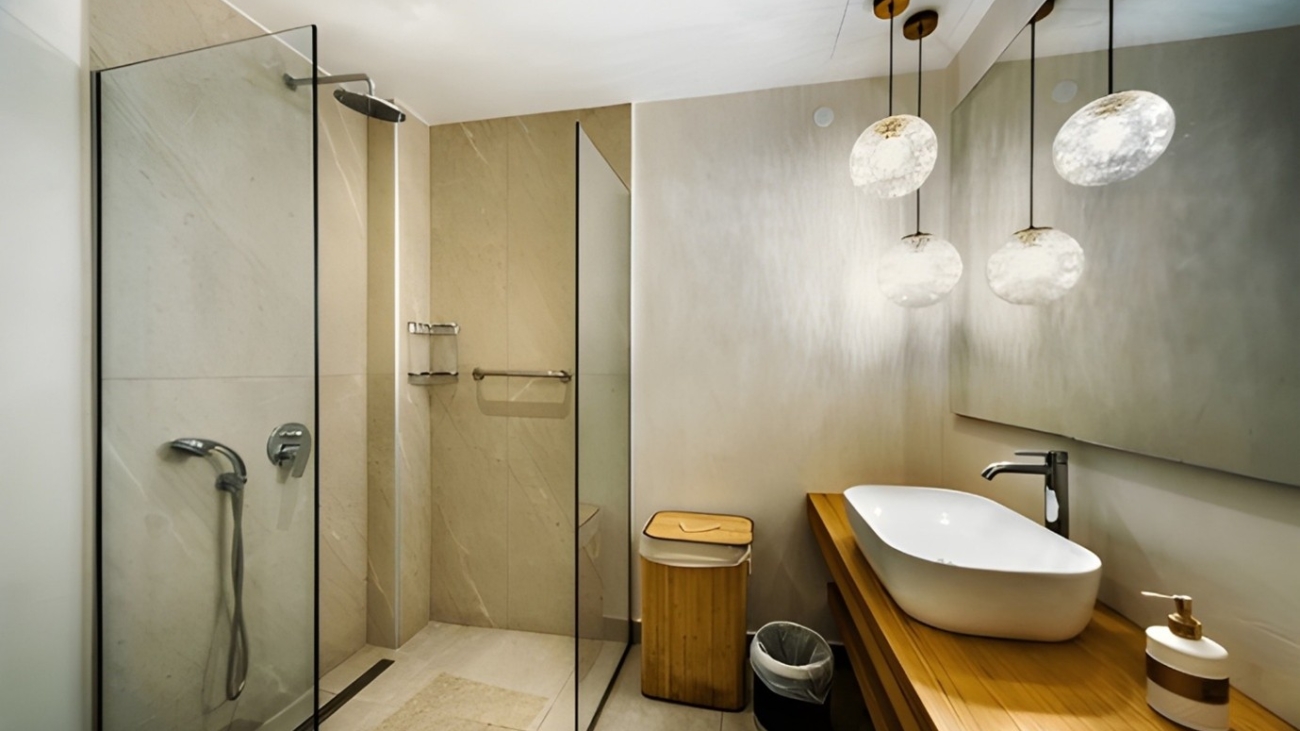
     Waterfall faucets pour water gently, like a miniature cascade, and look graceful on vessel sinks or sculpted countertops. If your renovation focuses on aesthetic impact — maybe a dramatic vessel sink atop marble or quartz, this type of faucet elevates the whole setting.

How These Faucets Complement Sinks, Counters, Tiles?

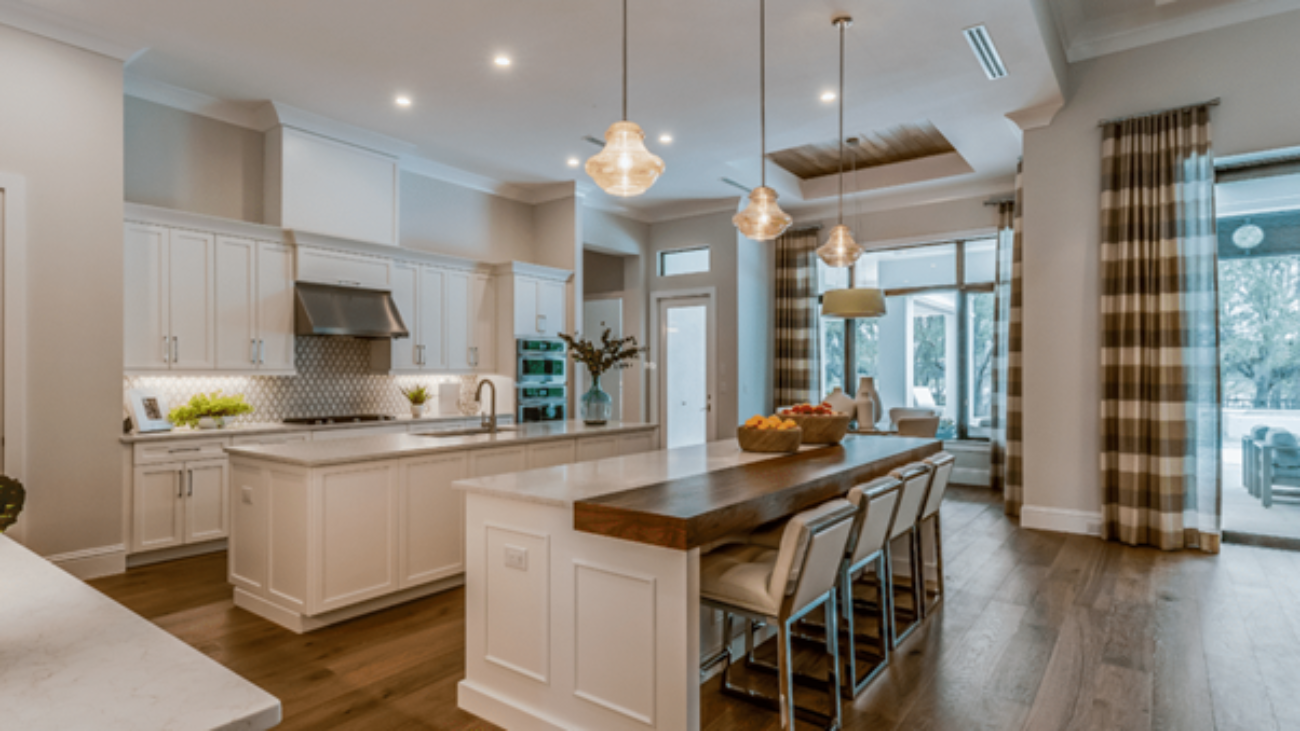
  • A wall‑mounted faucet + floating vanity + large-format tiles = a clean, open look.
  • A single‑handle faucet + under-mount sink + sleek countertop = minimalist elegance.
  • A waterfall faucet + vessel sink on natural‑stone counter + mosaic tile backsplash = a statement design.

Installer Tips for Maximum Visual Impact

  • Placement matters: For wall‑mounted faucets, ensure pipes are correctly aligned behind the wall — not easy DIY.
  • Proportions matter: Match faucet height and spout reach with sink depth and shape. Water should land softly, not splash.
  • Finish coordination: Choose faucet finish (matte black, brushed nickel, polished chrome) to complement tile, hardware, and lighting.
  • Tile and grout sensibility: With modern faucets, tile often becomes focal — large-format tile + minimal grout lines pair especially well.


These are some of the key tips to be used when one is talking about bathroom faucets installation in Austin in the long run.

Case Snippet: From Old Tub to Trendy Bathroom Makeover

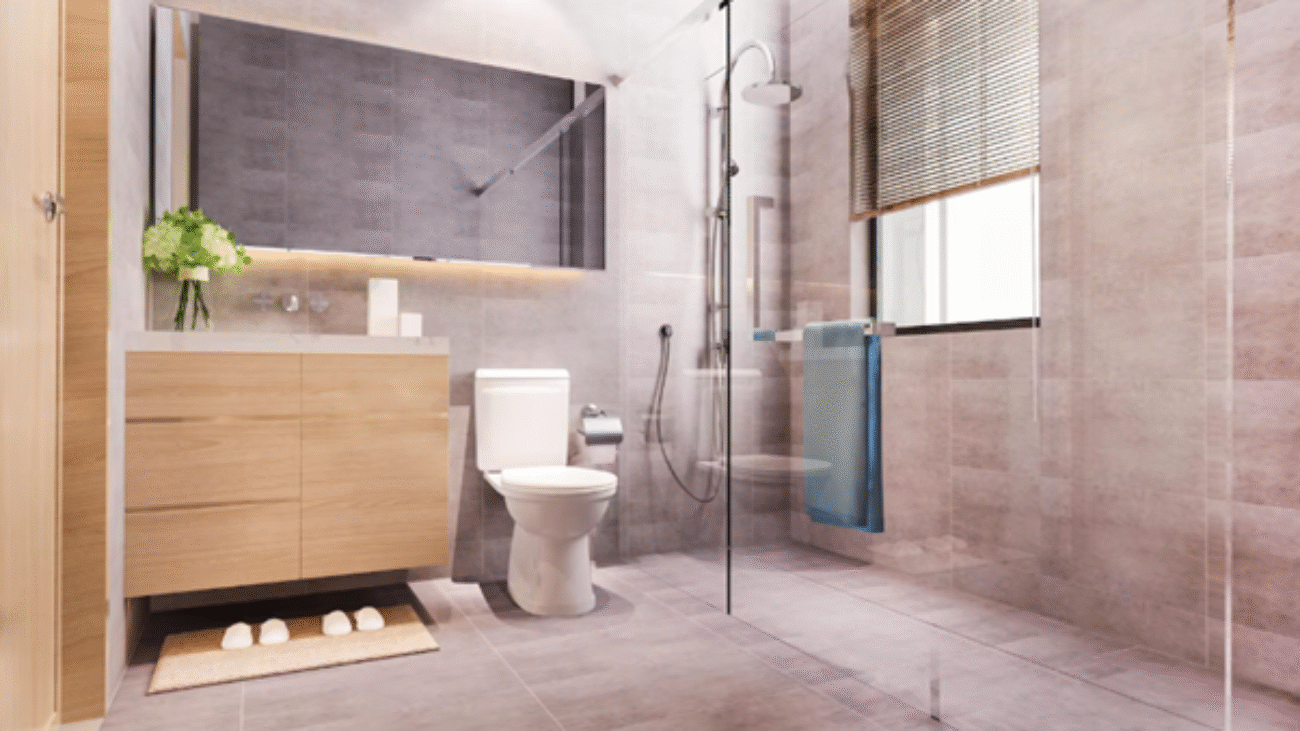
A recent client had a tired bathroom with a standard sink and dated fixtures. We replaced the vanity with a floating wood‑grain model, installed quartz countertop and large-format slate-style tiles, and added a wall‑mounted matte black faucet.

The result: a contemporary, airy feel that transformed a drab bath into a stylish, spa‑like retreat. That one faucet upgrade gave the whole space a modern personality, and the homeowners were thrilled.

When Faucet Choice Meets Smart Budgeting?

According to a 2025 survey of homeowners, bathrooms remain among the top renovation priorities alongside kitchens.
 But even with smart design, you’ll want to know about bathroom faucet installation cost and how it fits in your budget. Picking the right faucet and combining it with thoughtful materials, without overdoing cabinetry, fixtures, or plumbing reroutes — offers high impact without over‑spending.

And yes, if you ever considered bathtub faucets Austin, many modern faucet lines offer matching tub/shower faucet sets that reflect the same sleek style.

By choosing thoughtfully, you step into the world of elegant, functional bathrooms — without overspending.

Why Working with Professionals Makes a Difference?

With most homeowners hiring pros for remodels (84 percent in 2025 bathroom projects) choosing professionals means your faucet is not just stylish — it’s installed precisely, aligned perfectly, and integrated with drains, tile, and wall finishes properly. That’s where a service like Half Price Baths matters: offering a “half the price” promise, quick turnaround, custom design sourcing, and high satisfaction. You get a modern bathroom — not just a faucet!

Curious What’s Best for Your Bathroom?

If you want to elevate your bath with modern faucet design, think about how your sink, countertop, tiles, and lighting all work together. The right faucet can turn a routine bathroom into a calm, modern retreat.

Final Thoughts

Choosing a modern faucet style — wall‑mounted, single‑handle, or waterfall, is more than detail-related work. It defines your bathroom’s look, feel, and mood. When combined with thoughtfully selected sinks, counters, tiles, and professional installation, the transformation is remarkable. If you aim for a renovation that feels fresh, modern, and well‑put‑together — a faucet upgrade is a small change with big impact.

With the holiday season up and about – wishing that you get the desired remodeling with us! 

Frequently Asked Questions

Q: What makes a faucet “modern” for a bathroom renovation?
 A modern faucet has clean lines, minimal hardware, and often a unique finish. It integrates smoothly with contemporary sinks, countertops, and tile to deliver a cohesive, stylish look.

Q: Are wall‑mounted faucets hard to install compared to standard ones?
 Yes, they are more complex. Wall‑mounted faucets require proper plumbing behind the wall and precise placement. Hiring a professional ensures alignment, leak‑proof installation, and a neat final look.

Q: Will a waterfall faucet work with a standard sink?
 Not ideally. Waterfall faucets pair best with vessel or under‑mount sinks. Standard sinks may cause splashing or water spread if faucet height and spout reach are not matched carefully.

Q: How much should I budget for a faucet upgrade in a bathroom renovation?
 Faucet cost varies widely — basic modern models may be affordable, premium designs or wall‑mounted units add more. Factor installation, plumbing adjustments, and matching finishes. It’s wise to add 10–20 percent cushion for quality work.

Q: Can faucet replacement alone modernize my bathroom without full remodel?
 Yes. A stylish faucet paired with updated sink, countertop or tile, even without full renovation, can refresh the bathroom’s appearance substantially. Even small changes can deliver a modern upgrade.

cost to install stand alone tub

Transform Your Countryside Bathroom: The Ultimate Guide to Installing a Standalone Tub!

If you ever imagine quiet mornings in a countryside home, feeling the soft glow of dawn through a window, and pictured yourself sinking into a warm bath — this guide is for you! In this post, you’ll discover how to go about installing stand alone tub in your rural bathroom. From planning and plumbing to style and comfort, you’ll learn step by step how to transform your space into a cozy retreat.

Why a Standalone Tub Suits Your Countryside Bathroom?

Installing stand alone tub to a rural home does more than beautify a bathroom. It brings a spa-like feel, offers a restful soak after a day’s work, and adds value to your property. Many homeowners today are turning their bathrooms into wellness and comfort zones: a survey showed that among recent bathroom remodels, 36% included bathing upgrades like soaking tubs or spa baths.

If you want a peaceful soak under wooden beams or a loft-style ceiling, a standalone tub gives you the flexibility to place the tub wherever it fits best — not just against a wall.

What to Watch Out for: Common Rural Bathroom Challenges

Rural homes often come with quirks — older structures, outdated plumbing, thinner floorboards, and limited space. Before leaping into stand alone tub installation, you should consider:

  • Whether your floor can support the tub filled with water and a bather;
  • If your plumbing setup can handle the drain and water supply;
  • Whether there’s enough ventilation to avoid mold (especially with wooden walls or older windows);
  • How the style of your tub will match rustic walls, beams, tiles, or exposed stone.

Skipping these checks can lead to water damage, sagging floors, or leaks — not the peaceful soak you envisioned.

How to Plan & Prepare: Step‑by‑Step Guide to Installing Standalone Tub

  1. Evaluate Floor Strength and Reinforcement
    If your bathroom sits on older joists or wooden flooring, have a contractor check its load-bearing capacity. To avoid sagging or structural stress, you may need to add extra joists or a plywood layer beneath the tub area.
  2. Check Plumbing and Drainage Access
    Rural bathrooms may lack modern plumbing. Ensure you have proper drainage, vent piping, and water supply lines. You might need to reroute pipes, especially if the tub isn’t going against a wall.
  3. Choose the Right Tub Style and Material
    Not all tubs suit a rustic home. A freestanding flat‑bottom tub or a vintage‑style clawfoot tub typically works best. Acrylic tubs offer lighter weight and easier installation. Heavier cast‑iron tubs give old‑world charm — but demand stronger floor support. According to recent data, freestanding tubs remain the most popular upgrade among renovators.
  4. Factor in Ventilation and Moisture Control
    Install an exhaust fan or ensure a window nearby to manage humidity. In damp rural climates, wood walls can warp or mold — so good ventilation is essential.
  5. Account for Installation Costs and Structure Upgrades
    You must budget not only for the tub, but also floor reinforcement, plumbing rerouting, ventilation, finishing, and professional labor. This overall package often determines the cost to install stand alone tub.
  6. Work with Professionals for Best Results
    Even if you love DIY, hiring pros ensures proper reinforcement, waterproofing, and compliance with building codes — especially helpful in rustic houses where surprises are common. Our team at Half Price Baths are here for you, to assist you in installing stand alone tub at your home.

How to Make the Tub Look and Feel Perfect in a Country Setting?

  • Match the tub with wood or stone finishes to keep rustic charm.
  • Use warm bulbs and soft towels to create a relaxing atmosphere.
  • Add vintage-style fixtures — like bronze faucets or wooden stool — for a cozy, natural vibe.
  • Include nonslip mats and grab bars if users are older or mobility is limited.

Customer Story — Real Transformation

“After we decided to go for a standalone tub, the team walked us through reinforcing the floor and rerouting pipes. Once the tub was in place, it felt like a little countryside spa. My evening soak in that tub melts away the stress of the day. It was worth every penny.”

This homeowner now enjoys a bathroom that feels like a serene retreat — even in a simple, rural setting.

Why You Should Consider Professional Help — Especially from Half Price Baths!

If you want your dream bath without the headache, a professional service like Half Price Baths can handle everything. We offer a “half the price” promise, quick turnaround, tailored design, and high satisfaction. With expert guidance, you avoid structural mistakes, plumbing issues, and poor aesthetics.

Final Thoughts

If you want a peaceful retreat right in your countryside home, installing a standalone tub can turn an ordinary bathroom into a cozy soak sanctuary. With thoughtful planning, structural checks, and good design, you get comfort, aesthetics, and long‑lasting value — without needless complexity.

Want help designing your bath, sourcing materials or scheduling installation? Reach out — let’s create your countryside haven together.

Frequently Asked Questions

  1. Will my old wooden floor hold a full standalone tub?
    Answer: You’ll need a structural inspection. Often, adding extra joists or plywood underlay ensures the floor supports the extra weight safely.
  2. Does installing a standalone tub require major plumbing work?
    Answer: It depends. If the drain and water pipes are nearby, minimal work is needed. Otherwise, rerouting pipes may be required — and professionals should handle that.
  3. What styles of tubs suit a rustic countryside home?
    Answer: Freestanding flat‑bottom or clawfoot tubs often match rustic interiors best. Acrylic tubs are light and easy to install; cast‑iron tubs give vintage charm but require stronger floor support.
  4. Is it expensive to get everything done (tub, floor, plumbing, finish)?
    Answer: It can be, especially with floor reinforcement and plumbing updates. That’s why budgeting for the entire project — not just the tub — is essential.
  5. How can I keep the bathroom mold‑free after installation?
    Answer: Ensure proper ventilation — an exhaust fan or regular window airing — plus waterproof finishes, and maintenance of grout and caulking.
best walk in tub shower combination

Framed vs. Frameless Walk-In Showers: Which Design Elevates Your Bathroom the Most?

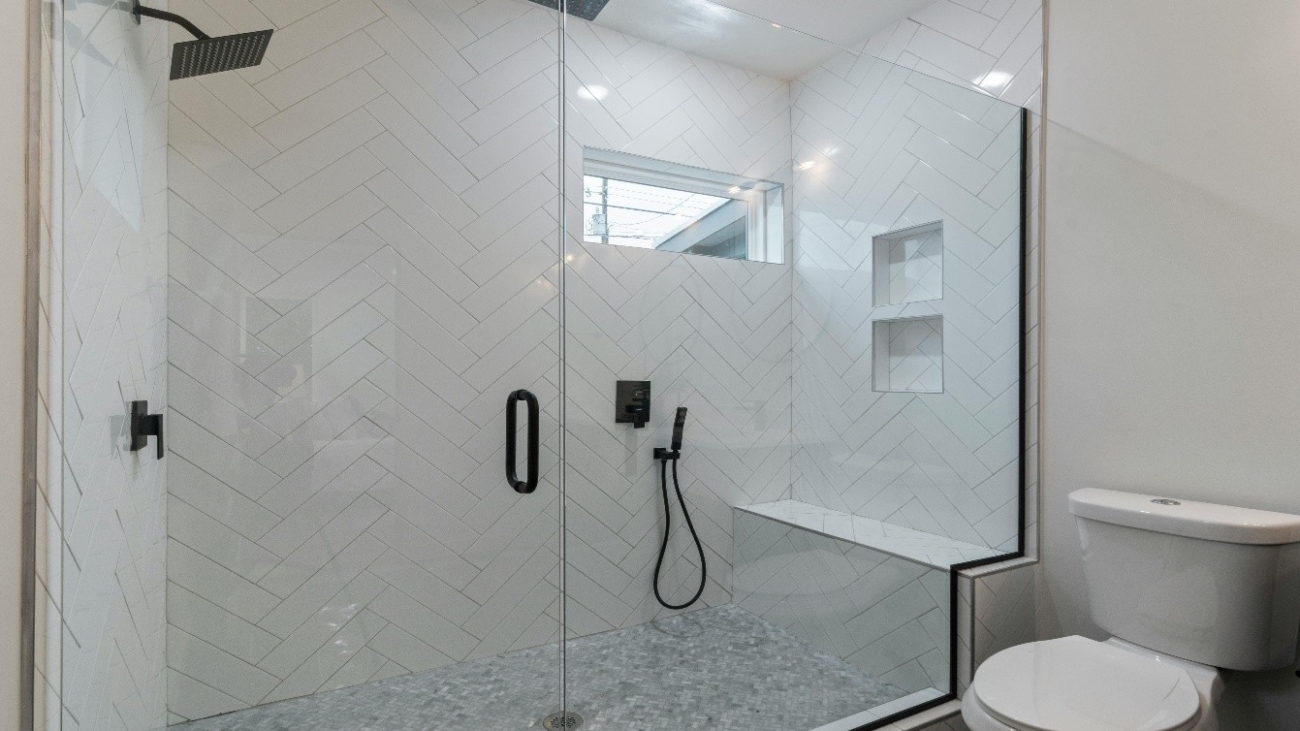
You want the best walk in tub shower combination — a design that feels modern, opens up your space, and still works perfectly for everyday use? Choosing between a framed walk in shower and a frameless walk‑in shower might look trivial, but it often shapes the entire look and feel of your bathroom. This post helps you decide which style fits your layout, lifestyle, and long-term comfort.

Why does shower style matter to your bathroom’s vibe?

What you choose — framed or frameless, affects how open and spacious your bathroom feels. A well-designed shower enclosure can make the space appear airy, bright, and welcoming. A framed shower often feels more defined and structured. A frameless design gives a seamless, “room‑as-one” look that many modern homeowners love. Your choice sets the tone for the whole bathroom.

What exactly separates framed and frameless showers?

Feature Framed Walk‑In Shower Frameless Walk‑In Shower

Structure

 Metal frame holds glass panels

Glass panels with minimal hardware or hinges

Visual effect

Defined, grid‑style look that adds character

Smooth, open, minimalist look that maximizes light & space

Installation

Often pre-cut standard sizes

Custom fitting, thicker tempered glass

Cost (approx by USA standards)

$700–$1,400

$1,500–$3,200 (custom & premium setups more expensive)

Best For

Traditional, industrial or compact bathrooms

Modern, spacious or light‑focused bathrooms

What are the visual and functional gains with each?

  • Framed walk in shower add visible structure; the metal frames (often in black or metallic finish) give your bathroom a classic or industrial flair.
  • Frameless showers open up sightlines. According to experts, frameless glass “lets in more light” and “makes the room feel larger” — ideal if you want a sleek, airy vibe.

How easy are they to maintain and how long do they last?

Framed Showers –
 • Pros: The structure offers stability and often better sealing since frames can help keep water from splashing out.

Frameless Showers – 

  • Pros: No metal edges means fewer spots for mold or mineral build-up. Cleaning is easier — a quick squeegee does the trick.

Which design suits your space and budget best?

If you have a tight budget or prefer a vintage or industrial vibe, a framed walk in shower might deliver great value. If you prioritise modern aesthetics, want to make your bathroom look bigger, or are investing in a home for resale or rental — frameless could boost perceived value significantly. Demand for frameless designs is rising: recent market reports show frameless shower screens accounted for over 42 percent of global shower‑screen revenue in 2024.

Here’s an expert’s take:
 “As homeowners look for cleaner lines and more open bathrooms, frameless showers stand out for their minimalist appeal and easy upkeep.” — Bathroom design specialist

Still wondering whether to go frameless even if your bathroom is small? Keep reading — you might be surprised…

Where does durability and long‑term functionality stand?

A framed walk in shower is often considered sturdy because the frame supports the structure. That can mean fewer worries over long-term leaks or shifting glass. However frameless showers, with tempered safety glass and high-quality hardware, are more than durable enough. They just require accurate installation and good sealing. For homeowners aiming for a modern, maintenance‑friendly bath they (or their kids) can keep clean easily — frameless tends to win.

When should you choose framed and when to go frameless?

Choose a framed walk‑in shower if:

  • You prefer a structured, traditional or industrial look
  • You are on a budget or want a straightforward install
  • Your shower space is small or oddly shaped

Go frameless when:

  • You want a modern, spacious, hotel‑style bathroom
  • You plan to resell or rent the property — sleek bathrooms attract buyers
  • You want easier cleaning and low maintenance

But wait — there’s one more factor about hidden value…

If you work with a service provider who offers complete remodeling — from design through materials sourcing to installation — then you get more than just a shower. That firm can help guide your design, select the right materials, and execute quality work. For example, with Half Price Baths you get custom solutions at half the price, with quick turnaround and high satisfaction rate. That kind of service ensures your bathroom does not just look good now — but stays functional long term.

Curious to see how a framed versus frameless shower actually looks in different bathroom styles? Our experts can show you visual layouts — and help you pick the one that matches your home best.

Want to know which option saves you more money over five years? You might be surprised when you connect with us!

Conclusion

Both frameless and framed walk‑in showers have their strengths. Framed enclosures deliver structure, affordability, and familiar style. Frameless showers offer modern design, easier cleaning, and a more open, timeless look. Your choice depends on layout, budget, and long‑term goals.

As an experienced remodeling provider, we guide you toward the design that matches your home, lifestyle and resale hopes. Reach out to transform your bathroom today — and unlock a bathroom that feels fresh, modern and welcoming this holiday season.

FAQs

  1. Can a frameless shower work in a small bathroom?
     Yes. Frameless glass opens up sightlines and lets more light in. Even a modest bathroom can feel larger with clear glass and careful design.
  2. Does a framed shower leak more often than frameless?
     Not necessarily. Framed showers often have better sealing along edges. Frameless showers rely on precise installation and good seals. Quality workmanship reduces leak risk.
  3. Which shower style is easier to clean?
     Frameless showers are easier to clean because there are no metal tracks or frames where soap scum and grime can accumulate.
  4. Does a frameless shower add more value to my home?
     Yes. Frameless showers with modern looks, minimal hardware, and clean glass panels tend to increase appeal, especially for resale or rental.
  5. Is installation cost significantly different between the two?
     Yes. On average a framed shower costs less — between $700–$1,400. A frameless one often costs $1,500–$3,200 or more depending on customization and glass type.
kitchen renovation mistakes

7 Kitchen Layout Mistakes That Waste Space — And How You Can Fix Them!

What is the most common mistake that most homeowners make? You begin your kitchen remodel with excitement, maybe drawn by glossy images or trendy finishes. Then, when the cooking day comes, you realize the sink, stove and fridge are awkwardly spaced — too close, too far, or blocked by an island. That’s the first of many kitchen renovation mistakes to avoid!

You might think: “I just want a nice-looking kitchen.” But without proper layout planning, even stylish kitchens turn inefficient. If you ignore how people actually move around the kitchen, you end up with wasted space, frustrated cooking hours, and expensive rework.

In this post, you’ll discover the top 7 layout mistakes that kill your kitchen’s flow — and how you can easily avoid them with smart design and professional guidance.

Why Layout Matters (A Quick Reality Check)!


Recent data from the 2025 Houzz U.S. Kitchen Trends Study shows that over half of homeowners (53 percent) change their kitchen layout during a renovation. 

That tells you: many kitchens weren’t laid out optimally in the first place. If you remodel without careful planning, you might just repeat the same mistakes.

  1. Cramped Work Triangle — Sink, Stove, Fridge Too Close or Too Far?
    When your sink, stove, and refrigerator are squeezed too tightly or placed far apart, cooking becomes a hassle. You bump into counters, walk too much, or strain to reach things.

Fix: When rectifying these kitchen renovation mistakes, you must map out a proper “work triangle” so that each zone (wash, cook, store) sits at a comfortable distance, about 4 to 9 feet between each point. That ensures smooth motion and a functional workflow.

  1. No Clear Zones — Prep, Cook, and Storage All Mixed Up
    Sometimes your prep area sits next to the stove, the fridge blocks the main walkway, and storage is tucked away awkwardly. Everything gets mixed up and messy.

Fix: Divide your kitchen into distinct zones: cooking, prepping, storage, cleaning. Plan for enough counter space near the stove and sink; allocate storage where it’s needed. That way cooking, cleaning, and storing don’t fight for the same space.

  1. Awkward Traffic Flow — Islands or Cabinets Blocking Walkways
    A gorgeous island or cabinetry layout might look sleek, but if it blocks pathways or opens right into traffic zones, you get a kitchen that feels cramped the moment someone walks in. More than often, you will find many of these, and notify them as your kitchen renovation mistakes to avoid.

Fix: Keep walkways at least 36 inches wide. Plan entry and exit points so the kitchen flow works even when multiple people move around. Avoid placing islands where doors or fridge drawers swing into busy walkways.

  1. Under‑utilized Vertical Space — Wasted Storage Potential
    Many remodels focus on floor-level cabinets, leaving the vertical space above unused. You lose chances for extra storage, and your counters get cluttered.

Fix: Use full-height cabinets, overhead storage, or shelving. That way you maximize space without expanding the footprint. It keeps clutter off the counters — and ensures efficient use of every inch.

  1. Overemphasis on Looks — Ignoring Functionality
    You might fall for glossy finishes, trendy island shapes, or fancy materials, and forget that the kitchen must work first. A beautiful kitchen that doesn’t function is one costly regret.

Fix: Prioritize durable materials, ease of use, and smart layout before style. Ensure cabinets open smoothly, appliances fit without obstruction, and surfaces handle everyday wear and tear. Balance style with practicality.

  1. Skipping Professional Input — DIY Layouts Often Fail
    Thinking you can sketch a layout and wing it might save some money — but it often leads to regrets. Studies show 74 percent of homeowners regret major renovation decisions within two years.

Fix: Consult professionals for layout planning, material sourcing, and installation. A good remodeler helps you foresee pitfalls — and delivers a space that looks good and works well for years.

For example, Half Price Baths offers custom design, material sourcing, fast turnaround, and a “half the price” promise — all tuned to meet your specific needs when you are looking for kitchen renovation Austin expertise.

  1. Ignoring Future Needs — Designing for Today Only
    You renovate for now — but what about when your family grows, your cooking habits change, or you need extra storage? Designing only for the present is one of the kitchen renovation mistakes, that can make the kitchen obsolete sooner than you expect.

Fix: Think long-term: plan for flexibility, possible storage expansion, easy cleaning, and comfortable movement. Build with a mindset that your kitchen should evolve with your life.

Two Thoughts You Might Have Now!

  • Will these changes really make a difference in daily life? Yes — a properly designed kitchen layout saves time, reduces frustration, and makes cooking enjoyable.
  • Is investing time and a bit more money upfront worth it? Absolutely — because avoiding layout mistakes often prevents expensive rework.

Wrapping Up: Your Kitchen Can Be Functional, Spacious, and Beautiful


When talking about kitchen renovation mistakes to avoid, does not mean sacrificing design. It means planning wisely. By focusing on proper layout, clear zones, vertical storage, efficient traffic flow, and future‑ready design, you create a kitchen that feels right, works great, and lasts.

If you want help with tailored layout planning, design guidance, materials, or installation — let’s talk. Your dream kitchen might be just one good plan away.

FAQs

Q: How much space do I need for the work triangle?
 A: Ideally you want about 4 to 9 feet between the sink, stove, and refrigerator. That distance keeps movement smooth without crowding or long walks.

Q: Can I combine prep, cook, and storage zones in a small kitchen?
 A: Yes — with smart planning. Use vertical storage, pull‑out drawers, and compact counter space. Define zones even in small kitchens to make them efficient.

Q: How wide should walkways be in a kitchen?
 A: Aim for at least 36 inches wide. That ensures people can move comfortably even while someone cooks or opens an appliance.

Q: Should I hire professionals or try a DIY remodel?
 A: Hiring pros often pays off. Experts help with layout planning, plumbing, electricals, materials, and installation, avoiding costly mistakes down the line.

Q: How do I plan my kitchen for future needs and changes?
 A: Opt for flexible layouts, modular storage, and easy‑to‑update materials. Design so the kitchen can adapt, whether your family grows, lifestyles change, or you sell the house later.

Bathroom Renovation

Design Psychology: How Small Master Bathrooms Can Feel Bigger Without Expanding a Wall?

“I couldn’t believe it was the same bathroom,” says Lauren M., a homeowner who recently upgraded her compact master bath. “We didn’t move a single wall, yet it now feels twice as large. Every inch looks brighter, calmer, and more open. All thanks to Half Price Baths!”

Her story mirrors what many homeowners discover when they explore small master bathroom renovation ideas rooted in design psychology rather than demolition.

What if your small bathroom could look twice as spacious—without touching the layout?


That’s where visual design strategies come in. High-end remodelers use spatial perception techniques to make compact areas feel grand. Think floating vanities, full-height mirrors, light-reflective tiles, and layered lighting. Each element plays with proportion and reflection to expand the perceived volume of your space.

Why Do Floating Vanities and Mirrors Matter So Much?


Floating vanities create negative space beneath them—tricking the eye into seeing more floor area. Pair them with under-cabinet lighting, and you instantly lift the visual weight of the vanity. Meanwhile, mirrors—especially full-height or wall-to-wall—bounce light across the room and stretch sightlines. According to the 2025 Houzz Bathroom Trends Study, 63 percent of homeowners say mirrors are their most impactful small-space upgrade. That’s proof of how optical design can transform perception.

Can Color Psychology Make or Break a Small Bathroom?


Absolutely. Colors define emotion and scale. Soft whites, muted taupes, and pale blues visually push walls outward, while darker tones bring them in. Designers often use tone layering—keeping walls light, accents medium, and floors neutral—to balance proportions. These color transitions make the eye flow naturally, giving the illusion of continuous openness.

Lighting Layers That Redefine Luxury


A single overhead bulb won’t cut it. Layered lighting—combining ceiling, wall, and task lights—creates depth and drama. When light reflects evenly off glossy surfaces, even the smallest space gains texture and warmth. It’s not about adding more fixtures, but using them thoughtfully to sculpt the mood. With smart dimmers and LED options, you can design light that adapts to your moment—bright mornings, calm nights, and everything in between.

Layout Logic: The Silent Space-Maker


Professional remodelers understand how proportion and alignment affect perception. Aligning fixtures along one wall, for example, preserves clear sightlines, making your eye travel further. Keeping clutter off counters and using built-in niches also prevents visual chaos. Small adjustments in layout logic deliver a sleek, spa-like effect that feels both practical and indulgent.

Material Choices That Reflect Intelligence


High-gloss finishes, porcelain tiles, and glass enclosures are key to modern optical expansion. Light bounces, boundaries blur, and the room feels cohesive. Even grout color matters—select a tone that blends with your tile to minimize visual breaks. For those exploring budget bathroom renovation ideas or low cost bathroom renovation ideas, switching from matte to reflective surfaces is one of the most cost-efficient ways to expand a room visually.

Half Price Baths: Where Smart Design Meets Smart Value


Half Price Baths turns design psychology into everyday luxury—at literally half the price. With quick turnaround times, tailored consultation, and expert installation, our team helps you customize everything from material selection to layout planning. The high satisfaction rate speaks for itself: beautiful results without the high-end markup.

Your Bathroom, Reimagined Without Breaking a Wall


In today’s homes, space is a luxury—but perception is power. When design psychology is applied with precision, even the smallest master bathroom can feel like a retreat. Mirrors double your view, colors stretch your walls, and lighting layers add elegance. You don’t need more square footage—you just need smarter design thinking.

Half Price Baths – Transforming spaces beautifully, at half the price.

installing bath and shower faucets

Future-Proofing Your Bathroom: Smart Deck Mount Tub Faucets and Easy Retrofit Installation!

The bathroom of tomorrow is already here—and it’s smarter, sleeker, and surprisingly simple to maintain. Imagine walking into your space and seeing a faucet respond instantly to a wave of your hand. With smart technology blending elegance and efficiency, upgrading through a deck mount tub faucet installation is no longer a luxury—it’s a strategic move for the future.

Here’s to knowing a little more about the same – 

Why Are Smart Faucets Redefining Bathroom Remodeling?


Smart faucets bring precision and performance together. They control temperature digitally, reduce water waste, and offer touchless functionality—perfect for hygiene-conscious homeowners. According to the 2024 American Home Remodeling Index, 61 percent of bathroom remodels now include smart water fixtures. That number is growing fast, and for good reason—these systems don’t just look modern; they work smarter.

Did you know most smart faucets can reduce water use by up to 30 percent without sacrificing flow quality? It’s comfort that also cuts your utility bills.

Design Smarter, Not Harder: Preparing for Easy Retrofits


Planning today can save you tomorrow’s remodeling headaches. Think of your faucet area as a “smart-ready” zone. When preparing plumbing and deck cutouts, ensure the layout accommodates future upgrades. With the right spacing and adaptable fittings, a deck mount faucet installation can transition effortlessly into next-generation systems.

Here’s what to focus on when future-proofing your design:

  • Choose universal valve systems that can integrate with multiple brands.

  • Keep power sources (for sensors) discreetly accessible.

  • Use modular deck plates that allow quick swaps or additions.

  • Opt for anti-corrosion fittings for lasting durability.

  • Plan the plumbing layout for both manual and smart water control systems.

These thoughtful adjustments mean that when it’s time for an upgrade, you won’t need a full teardown—just a quick retrofit.

Did you know that retrofitting smart faucets takes nearly 40 percent less time than a traditional fixture replacement when prepped correctly? It’s one of the smartest time investments you can make in your home.

Smart Deck Mount Faucets: Style Meets Sustainability


You don’t need to sacrifice style for function. Today’s smart deck mount faucets blend sculpted lines with cutting-edge technology. Many offer app-based control for water temperature, LED lighting indicators, and programmable presets. For those seeking convenience, installing bath and shower faucets with these intelligent systems ensures your entire bathroom operates like a well-synced orchestra.

And the best part? You can start small. Even a single smart faucet installation can redefine how your space feels—fresh, functional, and futuristic.

Why Retrofitting Makes Sense Now


Traditional remodels used to mean breaking tiles and redoing plumbing. Not anymore. Retrofit-friendly systems allow you to integrate modern fixtures without extensive demolition. It’s efficient, cost-effective, and future-ready—everything homeowners want today. We at Half Price Baths make this transition effortless with our “half the price” promise, fast turnaround, and full customisation. Our expert team ensures you get professional design guidance, quality materials, and installation done right—the first time!

Bringing It All Together


Upgrading your bathroom isn’t just about keeping up with trends—it’s about preparing for a smarter tomorrow. Smart faucets not only offer comfort and control but also make your home more sustainable and valuable. With adaptable plumbing layouts and thoughtful deck mount tub faucet installation, your space stays flexible for the innovations ahead.

Whether you’re remodeling for personal comfort or future resale, the key lies in blending technology with timeless design. So, next time you turn that faucet, imagine not just cleaner water—but a cleaner, smarter way of living.

Thank you for reading—your dream bathroom is closer than you think, and it’s waiting for the right touch of innovation.


Walk-In Shower Dimensions

Understanding Walk-In Shower Dimensions: What Homeowners Should Know Before Planning a Remodel!

Ever wondered what counts as “standard” when it comes to a walk-in shower? Before you grab that design catalog or start picking tiles, it’s worth pausing to understand what standard sizing truly means. Knowing the standard walk in shower dimensions can help you plan a remodel that feels balanced, functional, and built to last.

What Exactly Is a Standard Shower Size—and Why Does It Matter?


Most homeowners picture a square 36×36-inch space, but that’s just the beginning. Depending on your bathroom layout and comfort preferences, you’ll also come across common sizes like 48×36 inches and 60×36 inches. These dimensions balance comfort with code compliance, ensuring movement without overcrowding the space. According to the National Kitchen and Bath Association (2024), nearly 68 percent of new bathroom remodels now feature walk-in showers—proof that this trend isn’t fading anytime soon.

Quick Pointers on Planning the Layout

  • Always start with the shower pan size—it determines everything else.

  • Keep at least 15 inches of clearance from the toilet or vanity to the shower entrance.

You might think adding a few extra inches doesn’t matter—but it does. Those inches define how naturally your body moves in space. And if your bathroom has a sloped ceiling or tricky layout, don’t worry—there are clever design adjustments that can help.

How Small Is Too Small? Understanding Minimum Codes and Comfort


Now here’s where it gets interesting. Building codes in most regions require a minimum dimensions for walk in shower of 30×30 inches. But let’s be honest—while that might meet the legal requirement, it’s far from luxurious. The ideal space should allow you to stretch your arms without bumping into glass. A ceiling height of at least 80 inches is also advisable to maintain proper ventilation and visual openness.

“The biggest mistake homeowners make is assuming that standard equals suitable. Ergonomics and space planning must go hand in hand with design,” says David K, a certified remodeling consultant.

Thinking About Accessibility? Here’s What to Remember


If you’re planning for long-term living or multi-generational homes, consider barrier-free entries and grab bars. Modern accessible showers now blend safety with elegance, featuring wide entrances and slip-resistant tiles. Here’s some of the key facets to remember when talking about standard walk in shower dimensions – 

Pointers to Enhance Accessibility

  • Opt for a curbless design with a gentle floor slope for easy entry.

  • Maintain a 36-inch door width for wheelchair access, if required.

But wait—what about when the shower needs to fit into an unconventional space? Here’s where custom remodeling solutions shine. Imagine a shower design that molds to your bathroom’s unique angles without sacrificing style.

Let’s Talk Aesthetics and Functionality Together


The typical walk in shower size isn’t just about numbers—it’s about creating flow. A 48×36-inch layout offers the sweet spot between functionality and flair, while a 60×36-inch size delivers spa-like luxury. Add glass enclosures, niche shelving, or rainfall showerheads, and the transformation feels magical.

And here’s a cliffhanger: what if your bathroom could look larger without changing its footprint? Stay tuned, because the answer lies in strategic lighting and tile placement that tricks the eye.

Another question worth pondering—are you choosing materials that will still look timeless five years from now?

How Customization Makes All the Difference


That’s where Half Price Baths steps in with its range of services to customise all your demands. From consultation and design guidance to material sourcing and professional installation, our honest promise and fast turnaround make us a favorite among homeowners. With a high satisfaction rate and focus on craftsmanship, they turn dream bathrooms into real, livable spaces.

The Final Takeaway: Planning With Purpose


Understanding typical walk-in shower dimensions gives you clarity before you dive into a remodel. Knowing the codes, comfort zones, and design options helps you make smarter, future-ready choices. Think of it as setting the stage for years of comfort and ease.

Every great remodel starts with a plan—and ends with a home that reflects you. Whether your bathroom is small or sprawling, there’s always a way to make it smarter, safer, and more stylish. And that’s the real beauty of remodeling—turning everyday spaces into experiences of comfort and joy.

kitchen remodel Austin Texas

Budget with Vision: How to Allocate Costs without Compromising Style?

Let’s be honest—most homeowners make one classic mistake when remodeling: they underestimate labor costs and overspend on finishes. You fall in love with those marble countertops, only to realize later that installation, plumbing, and lighting eat up almost half your budget. So, how do you balance beauty with practicality? 

Let’s talk about how to save money on a kitchen renovation without losing your design edge.

Where Does the Money Really Go? Let’s Break It Down

Remodeling isn’t just about what you see; it’s about what you don’t budget for. The following table gives a realistic snapshot of where your investment usually lands.

Category

Percentage of Budget

Notes

Cabinetry & Storage

25-30%

    Custom work drives value

Labor & Installation

20-25%

Skilled craftsmanship counts

Countertops

10-15%

Quality impacts durability

Appliances

10-15%

Look for energy efficiency

Flooring & Lighting

10-12%

Enhances both design and comfort

Miscellaneous (Permits, Fixtures, etc.)

8-10%

Always leave a buffer

According to HomeAdvisor’s 2025 Cost Survey, the average U.S. homeowner spends between $14,000 and $40,000 on a mid-range kitchen remodel—a number that rises sharply in metro areas.

How to Prioritize Your Spending Without Losing Style?

Before you reach for those luxury tiles, ask yourself: What adds long-term value?And how to save money on a kitchen renovation simultaneously? It’s tempting to chase trends, but the smartest investments usually lie in the foundation.

Pointers to keep your focus sharp:

  • Spend more on layout and structure; they define flow and functionality.

  • Save on secondary materials—like decorative trims or backsplashes—that can be upgraded later.

In short, balance is key. You can still create a kitchen that looks high-end, even when working within a realistic budget.

The Art of Smart Budgeting—What to Consider When Renovating a Kitchen

You might think a beautiful remodel means an expensive one, but design doesn’t always follow dollar signs. So, what to consider when renovating a kitchen? Plan every detail, from countertops to lighting, before the first hammer hits.

Consider these factors:

  • Material sourcing: Choose mid-range options that mimic premium finishes.

  • Professional installation: Skilled labor ensures your remodel lasts.

Here’s where Half Price Baths steps in—with its “half the price” promise, fast turnaround, and complete customisation to suit your style. From design consultation to installation, we deliver a seamless remodeling experience with a high satisfaction rate.

Now here’s a question worth pondering—wouldn’t it be refreshing to save thousands and still have a kitchen you love showing off? Stay with me.

Why Vision Matters in Every Dollar You Spend

A budget without vision feels like a room without light. Every design decision must align with how you live and cook daily. For example, splurging on soft-close cabinetry or durable quartz counters offers practical luxury—smart investments that last decades.

You’ll be surprised at how small tweaks—like recessed lighting or matte-finish tiles—elevate the look without breaking the bank. And if you’re thinking about a commercial kitchen renovation, the same rules apply: invest where durability meets design.

Your Future Kitchen—Smart, Stylish, and Cost-Effective

If you’re planning a kitchen remodel Austin Texas, remember: style doesn’t come from price tags—it comes from thoughtful planning. The secret is knowing when to spend, when to save, and when to call the experts.

So, before you start tearing down walls, take a moment. Picture your dream kitchen—streamlined, functional, and budget-wise. What if I told you that dream could cost less than you think? That’s right, your ideal remodel is waiting to be designed with vision and care.

Take the next step—schedule a consultation, ask questions, explore options. Let’s turn your remodeling budget into a masterpiece that reflects both your taste and your financial wisdom.


kitchen remodeling in Austin

Open Isn’t Over: How Kitchen Layouts Are Evolving in 2025?

If you thought the open-concept kitchen trend was fading, think again. But the way we design open kitchens is evolving — blending openness with smart zoning, privacy, and style. In fact, if you’re considering a kitchen remodeling project in Austin, Texas, understanding these shifts can help you create a kitchen that’s both functional and beautiful in 2025.

Ready to rethink your kitchen renovation layout ideas? Let’s dive in.

Why is the Open-Concept Kitchen Still Popular — But Changing?

Open kitchens remain a homeowner favorite, especially post-pandemic. Yet, today’s families want more flexibility — spaces that can adapt to work, play, and socializing. Designers now use partial walls, pocket doors, and zones within the open concept to create balance without sacrificing light or flow.

  • Key point: Incorporate zoning to separate cooking, dining, and lounging while maintaining openness.

Did you know? 68% of homeowners in 2023 preferred kitchens that offered multi-use spaces — combining cooking with work or study zones.

What is a Broken-Plan Kitchen — And Why Should You Consider It?

The broken-plan kitchen breaks up large open spaces with subtle dividers that keep areas visually connected but functionally distinct. Think half walls, islands with seating, or glass partitions. This design reduces noise, contains mess, and still feels airy.

  • Key point: Use broken-plan layouts to control kitchen activity without closing off the space.

Fun fact: The broken-plan kitchen trend grew by 25% in remodeling projects from 2023 to 2024.

How Do Hybrid Kitchen Designs Balance Storage & Style?

Gone are the days of fully open shelving or closed cabinets alone. Hybrid kitchen designs mix open shelves, glass fronts, and closed cabinetry to optimize storage and display. This approach helps keep your kitchen organized while showcasing your favorite pieces.

  • Key point: Hybrid storage solutions create a flexible, personalized kitchen aesthetic.

Tip: Incorporate hidden pull-out pantries or cabinets to maintain a clean look while maximizing storage.

Can You Have It All? The Rise of Pocket Doors and Partial Walls

If you crave openness but need occasional privacy or sound control, pocket doors and partial walls are your best friends. These elements allow you to ‘close off’ kitchen zones when needed, perfect for multitasking households or those who entertain frequently. So, if you are opting for kitchen renovation Austin TX – this is a great option.

  • Key point: Install pocket doors to switch between open and closed layouts without sacrificing style.

How Does This Affect Your Kitchen Renovation Austin TX Project?

When planning your kitchen remodel in Austin Texas, keeping up with these evolving trends means you’re investing in a space that adapts to your lifestyle. Whether it’s zoning for work-from-home setups or a broken plan to manage noise and clutter, you can customize your layout for maximum comfort and function.

  • Key point: Collaborate with professionals who understand hybrid open/closed concepts to tailor your kitchen layout.

Half Price Baths is here with its range of services to customize all your demands—from consultation and design to material sourcing and professional installation. Our expertise ensures your kitchen remodeling in Austin, Texas project hits every mark for style, practicality, and resale value.

What’s Next for Your Kitchen?

The open kitchen isn’t disappearing — it’s evolving with hybrid and broken-plan layouts that give you control and charm. Are you ready to redefine your space with the latest kitchen layout trends 2025? Reach out to expert remodelers who can guide you through these innovative ideas and bring your dream kitchen to life.

Let’s transform your kitchen with smart, stylish design choices that fit your lifestyle perfectly. Contact us today for a personalized consultation!

Kitchen Remodeling

Custom Cabinets for Mid-Century Modern Kitchens: Retro Meets Refined!

When did mid-century modern become a kitchen must-have?

From the 1940s through the 1960s, mid-century modern (MCM) design redefined interiors with its clean lines and natural materials. Today, homeowners crave that nostalgic yet sophisticated feel — and kitchen remodeling with custom cabinets is the perfect way to bring this timeless style into your home.

What Defines Mid-Century Modern Kitchen Cabinets?

At its core, MCM design celebrates simplicity and functionality. Think flat-front cabinets that showcase natural wood grains—especially walnut and teak veneers. Add brass or geometric hardware, and you’ve captured that retro vibe with a refined twist. But why settle for vintage materials alone?

  • Custom cabinets allow you to recreate the classic look using modern, durable materials.
  • Soft-close drawers and doors combine convenience with style, upgrading your kitchen without compromising authenticity.
  • The flat fronts and minimal ornamentation keep the space airy and sleek, perfect for today’s open-plan homes.

Can Custom Cabinets Balance Vintage Charm with Modern Convenience?

Absolutely. The key lies in thoughtful design and expert craftsmanship. For instance, Half Price Baths is there with its range of services to customize all your demands—from consultation and material sourcing to professional installation. We ensure your custom kitchen design remodel perfectly matches your vision while adding today’s comforts.

Surprising Fact #1: Did You Know?

According to the National Kitchen & Bath Association’s 2023 report, over 40% of homeowners investing in kitchen remodels seek to incorporate mid-century modern elements—especially custom cabinetry—to boost both aesthetics and resale value.

How Do Walnut and Teak Veneers Enhance Your Kitchen’s Style?

These natural woods are beloved for their warm tones and rich grain patterns, which bring life and texture to your cabinetry. Plus, their durability means your kitchen stays beautiful for years. But here’s something to consider—would you go for the classic brass knobs or opt for bold geometric handles that make a statement?

A Customer’s Voice: Why Go Custom?

“We wanted our kitchen to feel like a true mid-century masterpiece. The team guided us through every step, from choosing teak veneers to selecting hardware that fits perfectly. The custom cabinets aren’t just beautiful—they function flawlessly. Our kitchen is now the heart of our home.” — Sarah J., Dallas, TX

What’s the Unexpected Challenge in Retro Kitchen Remodels?

Here’s where many homeowners hit a snag: blending vintage aesthetics with modern standards. You want to keep the charm but need efficient storage and durable finishes. Luckily, custom kitchen remodel contractors solve this puzzle by tailoring cabinets that respect MCM design principles while meeting today’s demands.

Surprising Fact #2: The Soft-Close Upgrade

Soft-close hinges and drawers might seem like a small detail, but they completely change your kitchen experience. Imagine a quiet, smooth closing that protects your cabinets’ pristine surfaces. This upgrade, paired with authentic mid-century materials, creates a perfect balance of retro style and modern luxury.

Why Should You Consider Custom Cabinets for Your Kitchen Remodel?

  • They ensure every inch of your kitchen is functional and beautiful.
  • You control the materials, finishes, and hardware for a personalized look.
  • A professional remodel enhances your home’s value and daily enjoyment.

What’s Next for Your Mid-Century Kitchen Remodel?

Ready to turn your kitchen dreams into reality? Whether you’re a new homeowner, a retiree wanting a stylish upgrade, or an investor aiming for top resale value, custom cabinets tailored to mid-century modern style are your game-changer. But the question remains—how do you choose the right expert to bring your vision to life?

Here’s the Cliffhanger…

Imagine stepping into a kitchen that feels both retro and completely fresh. Could custom cabinetry be the secret ingredient you didn’t know you needed? And what innovative materials will redefine mid-century modern kitchens in the next decade?

Last Note

There’s always hope when you blend classic design with contemporary solutions. With expert guidance and custom craftsmanship, your mid-century modern kitchen can become a stunning space that reflects your style and functions flawlessly.

So why wait? Dive into your kitchen remodeling with custom cabinets today and watch how retro meets refined in your home.

If you want a smooth, stylish kitchen remodel that honors the past but embraces the present, talk to Half Price Baths—experts in custom kitchen remodel contractor services who ensure every detail fits your unique needs.