
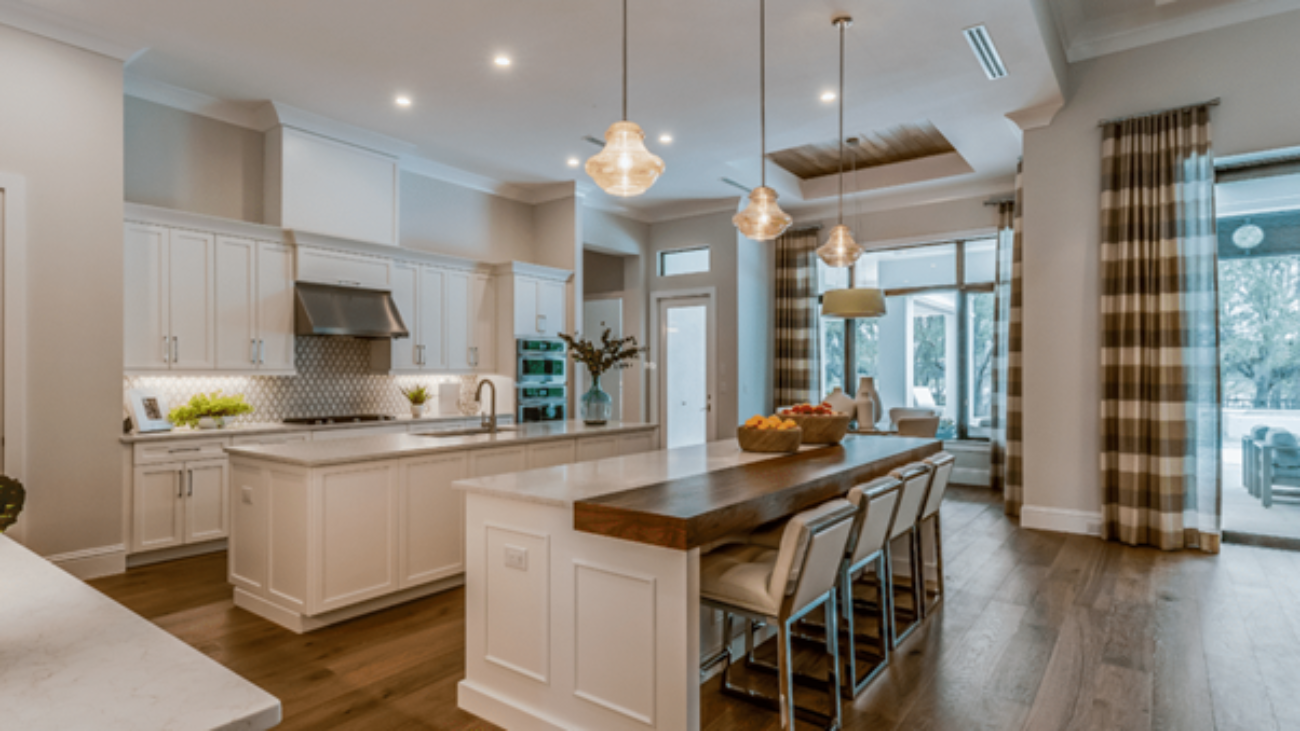
What is the most common mistake that most homeowners make? You begin your kitchen remodel with excitement, maybe drawn by glossy images or trendy finishes. Then, when the cooking day comes, you realize the sink, stove and fridge are awkwardly spaced — too close, too far, or blocked by an island. That’s the first of many kitchen renovation mistakes to avoid!
You might think: “I just want a nice-looking kitchen.” But without proper layout planning, even stylish kitchens turn inefficient. If you ignore how people actually move around the kitchen, you end up with wasted space, frustrated cooking hours, and expensive rework.
In this post, you’ll discover the top 7 layout mistakes that kill your kitchen’s flow — and how you can easily avoid them with smart design and professional guidance.
Why Layout Matters (A Quick Reality Check)!
Recent data from the 2025 Houzz U.S. Kitchen Trends Study shows that over half of homeowners (53 percent) change their kitchen layout during a renovation.
That tells you: many kitchens weren’t laid out optimally in the first place. If you remodel without careful planning, you might just repeat the same mistakes.
- Cramped Work Triangle — Sink, Stove, Fridge Too Close or Too Far?
When your sink, stove, and refrigerator are squeezed too tightly or placed far apart, cooking becomes a hassle. You bump into counters, walk too much, or strain to reach things.
Fix: When rectifying these kitchen renovation mistakes, you must map out a proper “work triangle” so that each zone (wash, cook, store) sits at a comfortable distance, about 4 to 9 feet between each point. That ensures smooth motion and a functional workflow.
- No Clear Zones — Prep, Cook, and Storage All Mixed Up
Sometimes your prep area sits next to the stove, the fridge blocks the main walkway, and storage is tucked away awkwardly. Everything gets mixed up and messy.
Fix: Divide your kitchen into distinct zones: cooking, prepping, storage, cleaning. Plan for enough counter space near the stove and sink; allocate storage where it’s needed. That way cooking, cleaning, and storing don’t fight for the same space.
- Awkward Traffic Flow — Islands or Cabinets Blocking Walkways
A gorgeous island or cabinetry layout might look sleek, but if it blocks pathways or opens right into traffic zones, you get a kitchen that feels cramped the moment someone walks in. More than often, you will find many of these, and notify them as your kitchen renovation mistakes to avoid.
Fix: Keep walkways at least 36 inches wide. Plan entry and exit points so the kitchen flow works even when multiple people move around. Avoid placing islands where doors or fridge drawers swing into busy walkways.
- Under‑utilized Vertical Space — Wasted Storage Potential
Many remodels focus on floor-level cabinets, leaving the vertical space above unused. You lose chances for extra storage, and your counters get cluttered.
Fix: Use full-height cabinets, overhead storage, or shelving. That way you maximize space without expanding the footprint. It keeps clutter off the counters — and ensures efficient use of every inch.
- Overemphasis on Looks — Ignoring Functionality
You might fall for glossy finishes, trendy island shapes, or fancy materials, and forget that the kitchen must work first. A beautiful kitchen that doesn’t function is one costly regret.
Fix: Prioritize durable materials, ease of use, and smart layout before style. Ensure cabinets open smoothly, appliances fit without obstruction, and surfaces handle everyday wear and tear. Balance style with practicality.
- Skipping Professional Input — DIY Layouts Often Fail
Thinking you can sketch a layout and wing it might save some money — but it often leads to regrets. Studies show 74 percent of homeowners regret major renovation decisions within two years.
Fix: Consult professionals for layout planning, material sourcing, and installation. A good remodeler helps you foresee pitfalls — and delivers a space that looks good and works well for years.
For example, Half Price Baths offers custom design, material sourcing, fast turnaround, and a “half the price” promise — all tuned to meet your specific needs when you are looking for kitchen renovation Austin expertise.
- Ignoring Future Needs — Designing for Today Only
You renovate for now — but what about when your family grows, your cooking habits change, or you need extra storage? Designing only for the present is one of the kitchen renovation mistakes, that can make the kitchen obsolete sooner than you expect.
Fix: Think long-term: plan for flexibility, possible storage expansion, easy cleaning, and comfortable movement. Build with a mindset that your kitchen should evolve with your life.
Two Thoughts You Might Have Now!
- Will these changes really make a difference in daily life? Yes — a properly designed kitchen layout saves time, reduces frustration, and makes cooking enjoyable.
- Is investing time and a bit more money upfront worth it? Absolutely — because avoiding layout mistakes often prevents expensive rework.
Wrapping Up: Your Kitchen Can Be Functional, Spacious, and Beautiful
When talking about kitchen renovation mistakes to avoid, does not mean sacrificing design. It means planning wisely. By focusing on proper layout, clear zones, vertical storage, efficient traffic flow, and future‑ready design, you create a kitchen that feels right, works great, and lasts.
If you want help with tailored layout planning, design guidance, materials, or installation — let’s talk. Your dream kitchen might be just one good plan away.
FAQs
Q: How much space do I need for the work triangle?
A: Ideally you want about 4 to 9 feet between the sink, stove, and refrigerator. That distance keeps movement smooth without crowding or long walks.
Q: Can I combine prep, cook, and storage zones in a small kitchen?
A: Yes — with smart planning. Use vertical storage, pull‑out drawers, and compact counter space. Define zones even in small kitchens to make them efficient.
Q: How wide should walkways be in a kitchen?
A: Aim for at least 36 inches wide. That ensures people can move comfortably even while someone cooks or opens an appliance.
Q: Should I hire professionals or try a DIY remodel?
A: Hiring pros often pays off. Experts help with layout planning, plumbing, electricals, materials, and installation, avoiding costly mistakes down the line.
Q: How do I plan my kitchen for future needs and changes?
A: Opt for flexible layouts, modular storage, and easy‑to‑update materials. Design so the kitchen can adapt, whether your family grows, lifestyles change, or you sell the house later.